See better
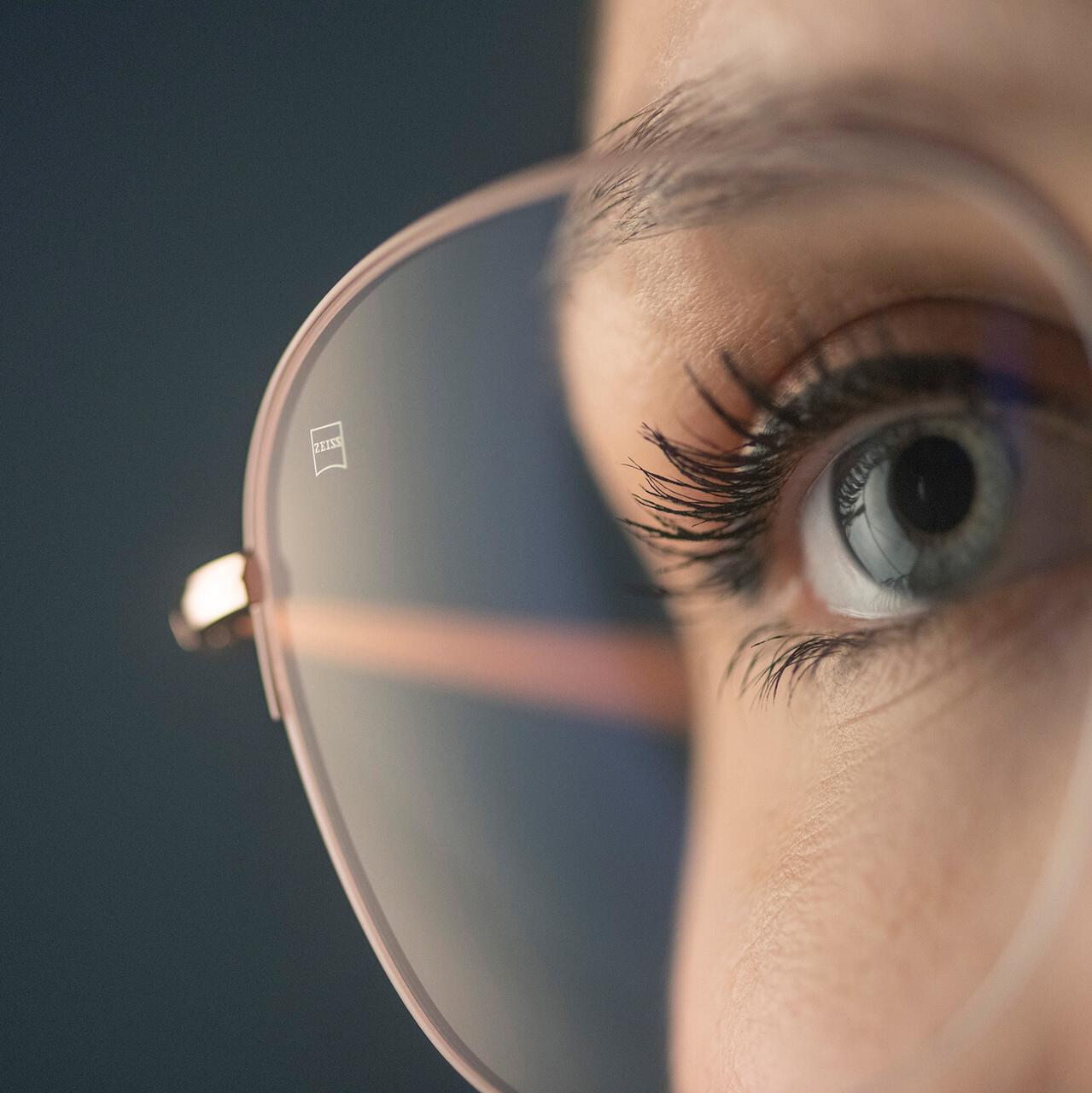
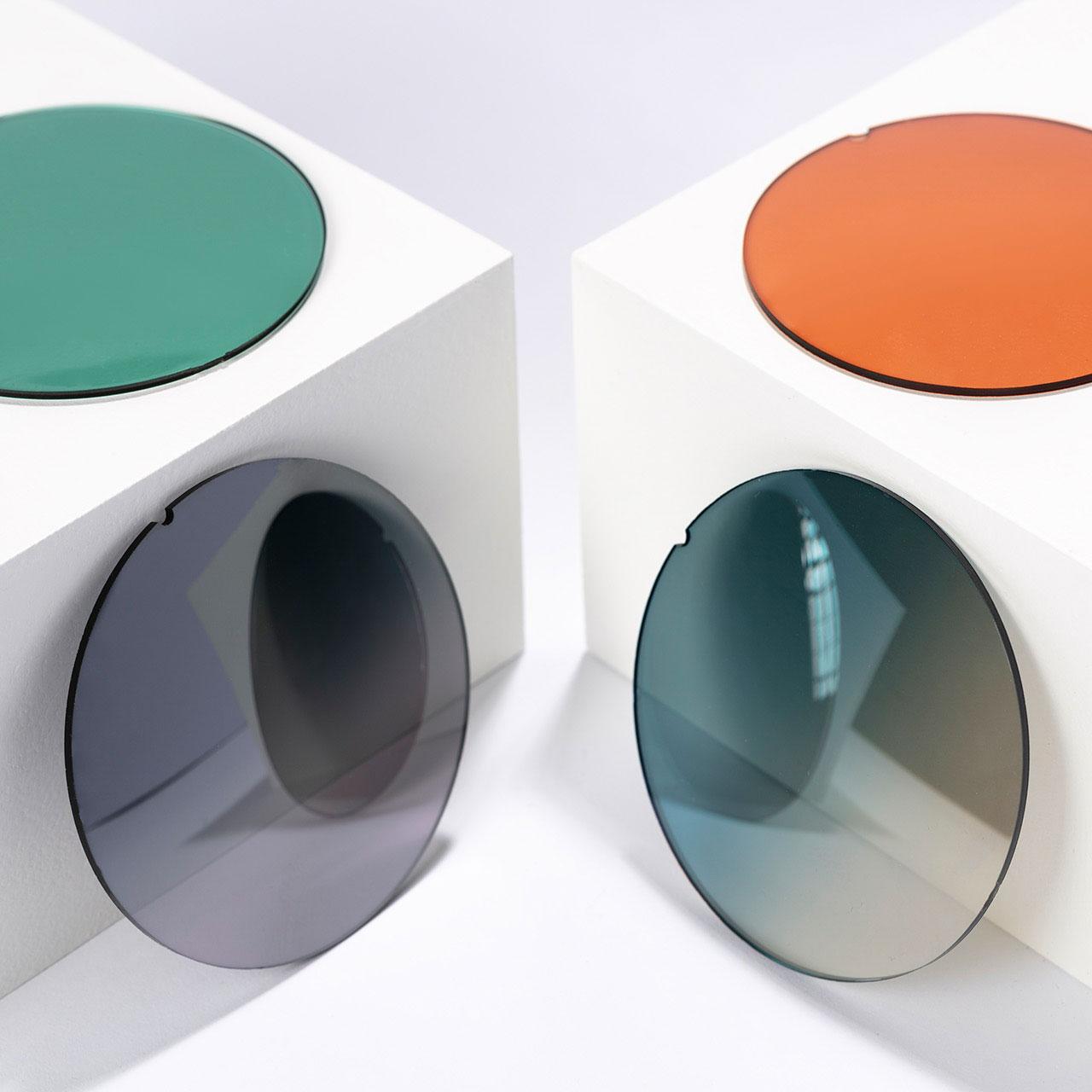
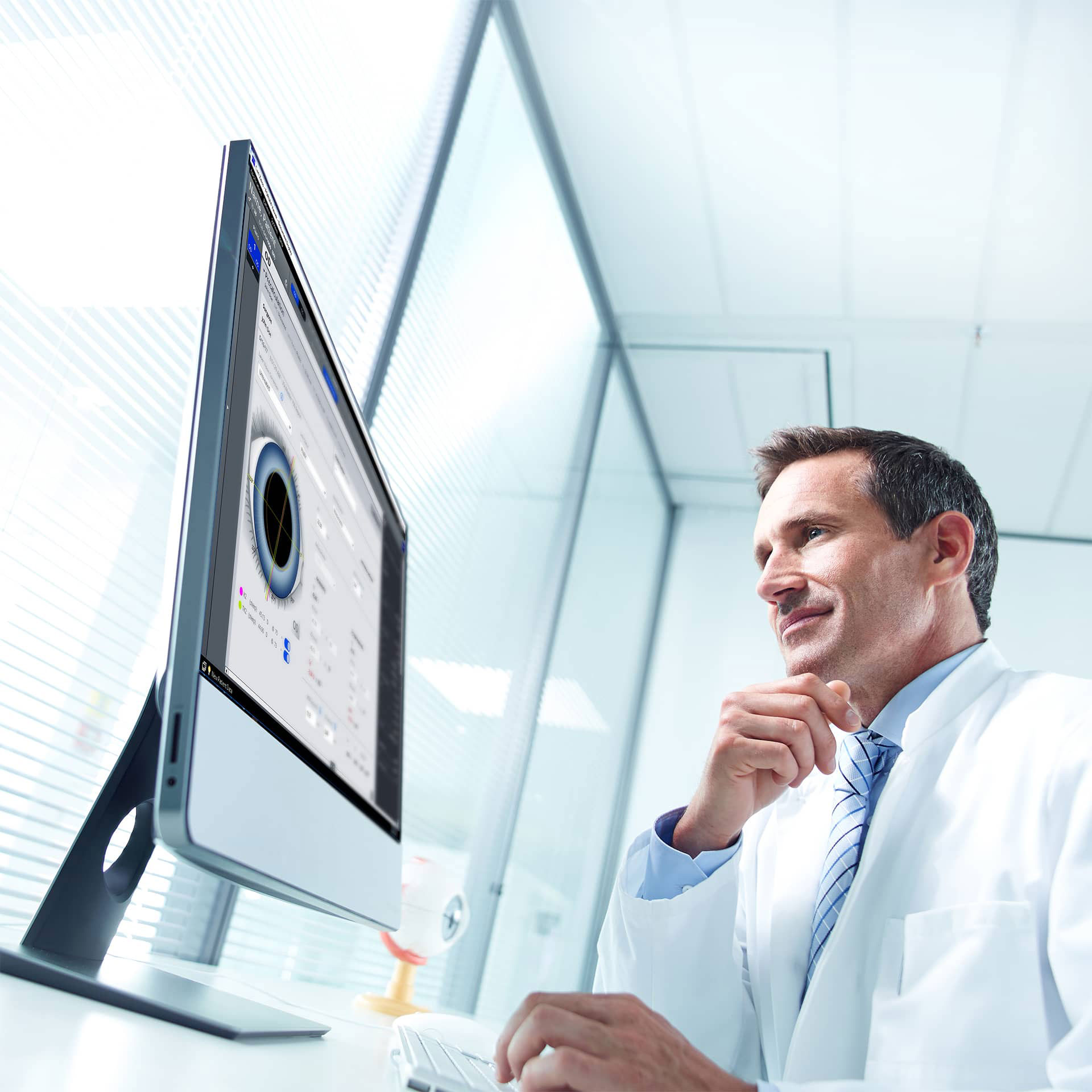
From precise vision checks right through to eyeglass lenses, ZEISS offers a unique combination of ophthalmic and optical expertise.

From precise vision checks right through to eyeglass lenses, ZEISS offers a unique combination of ophthalmic and optical expertise.
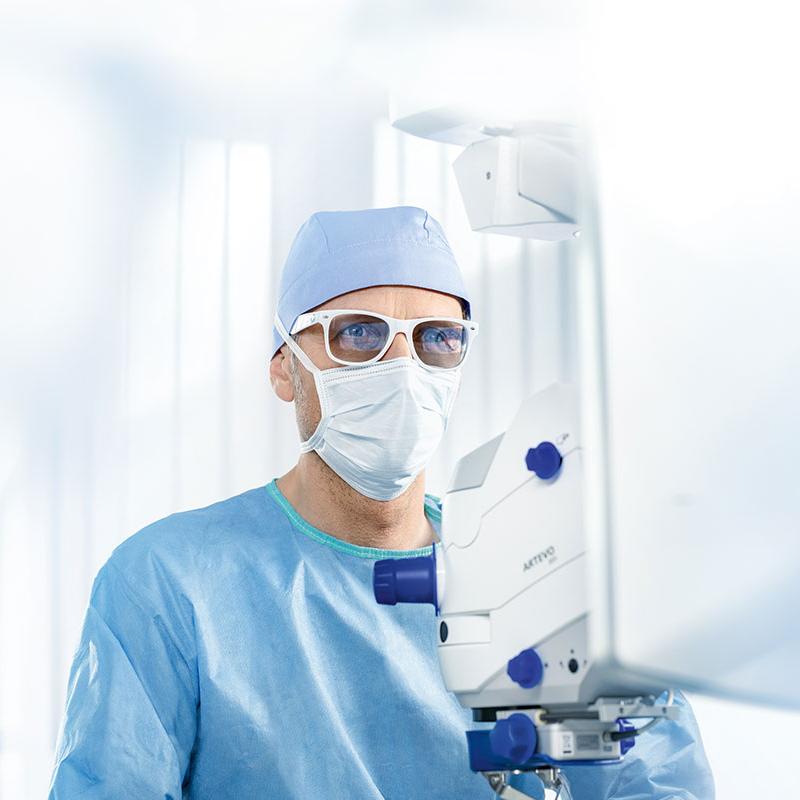
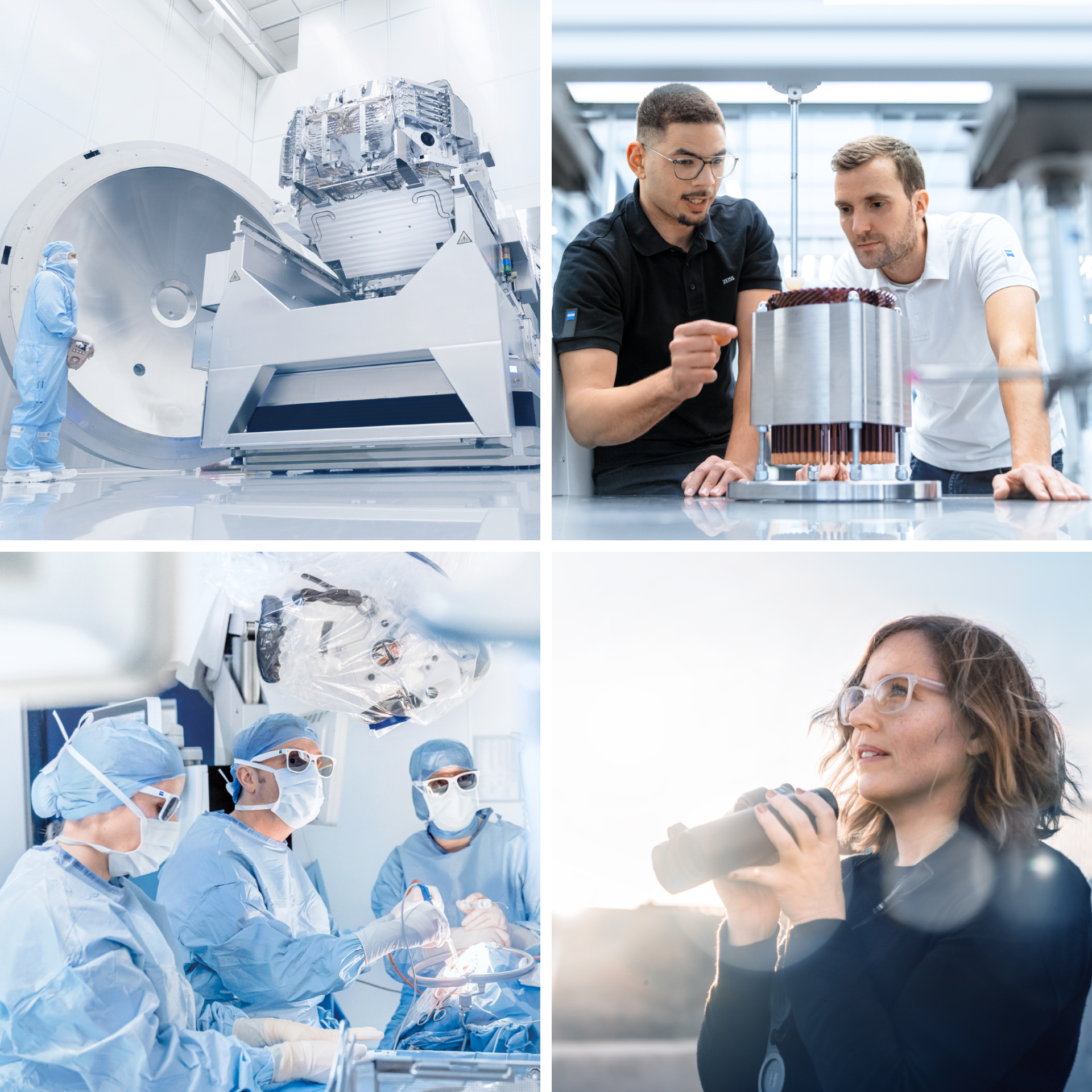
ZEISS shapes medical progress and improves patients' quality of life with products and solutions for ophthalmology and microsurgery.
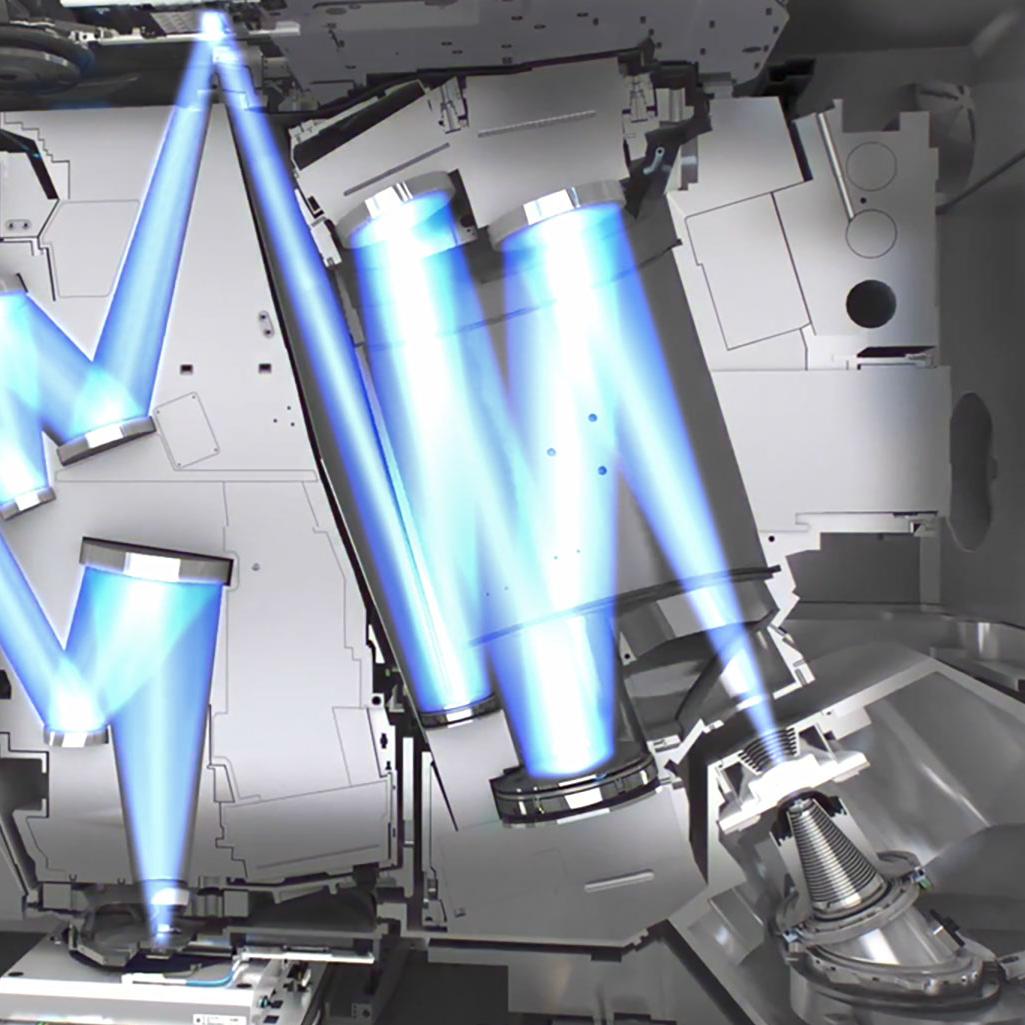
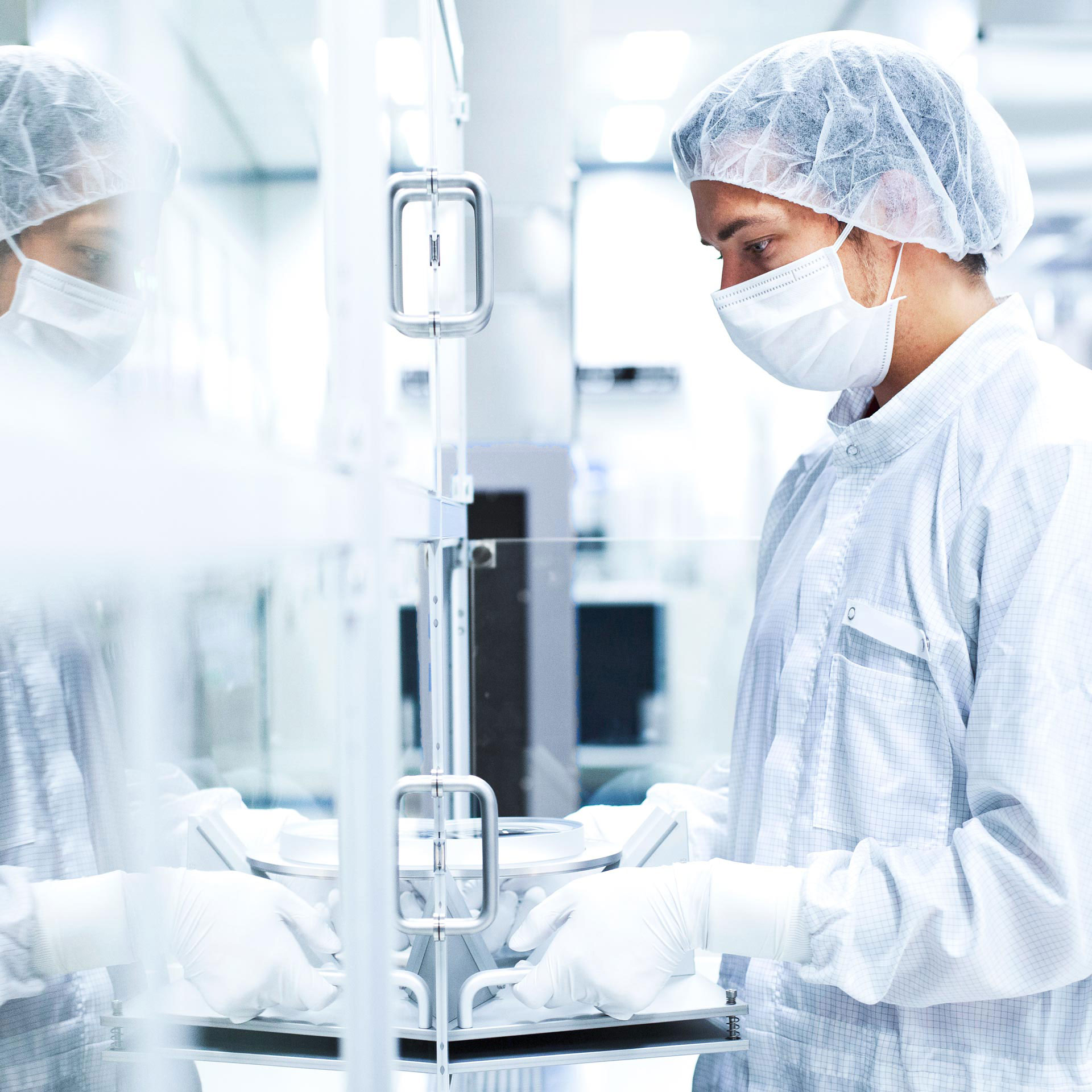
ZEISS has been enabling technologies of tomorrow with semiconductor manufacturing equipment for over 50 years and is driver of global digitalization.
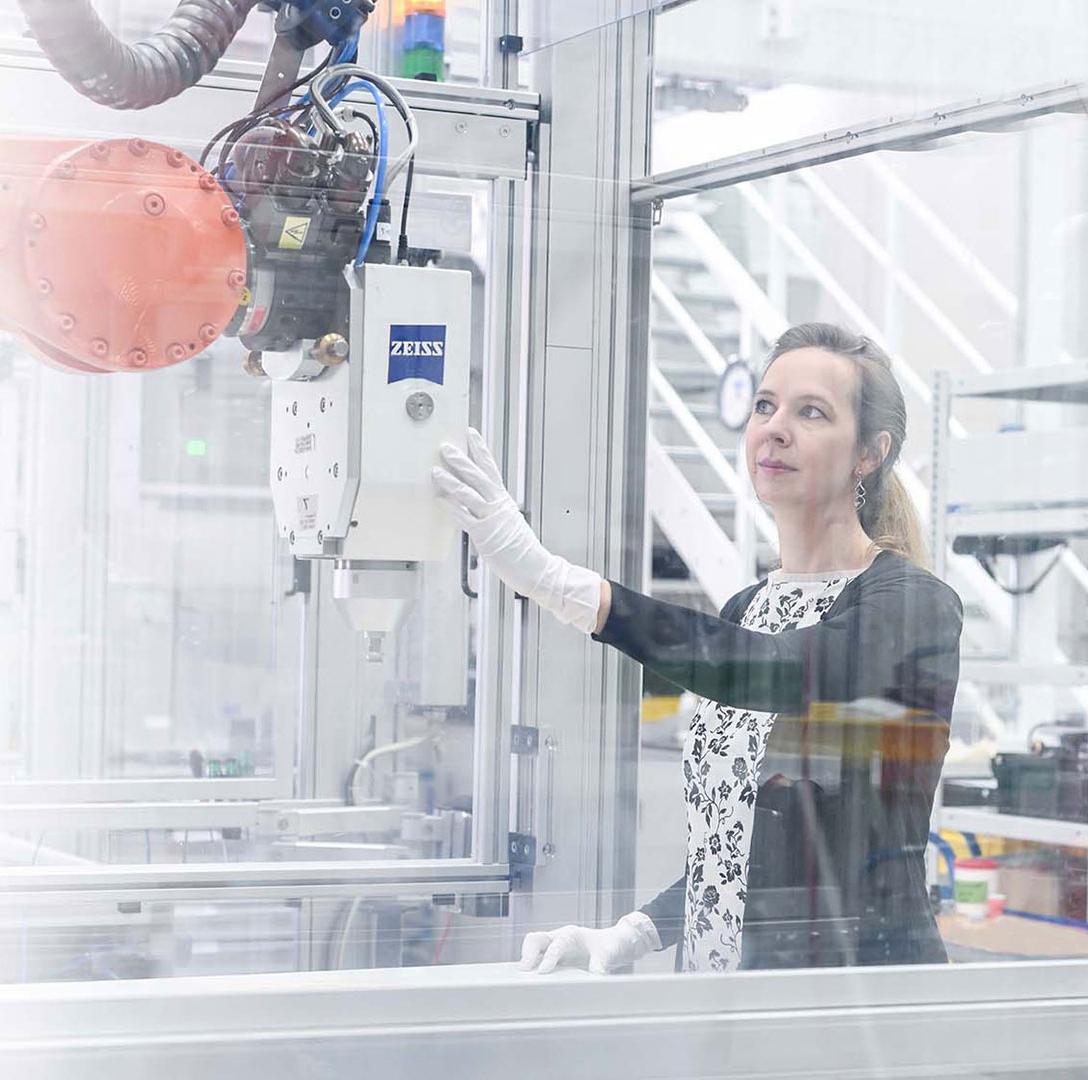
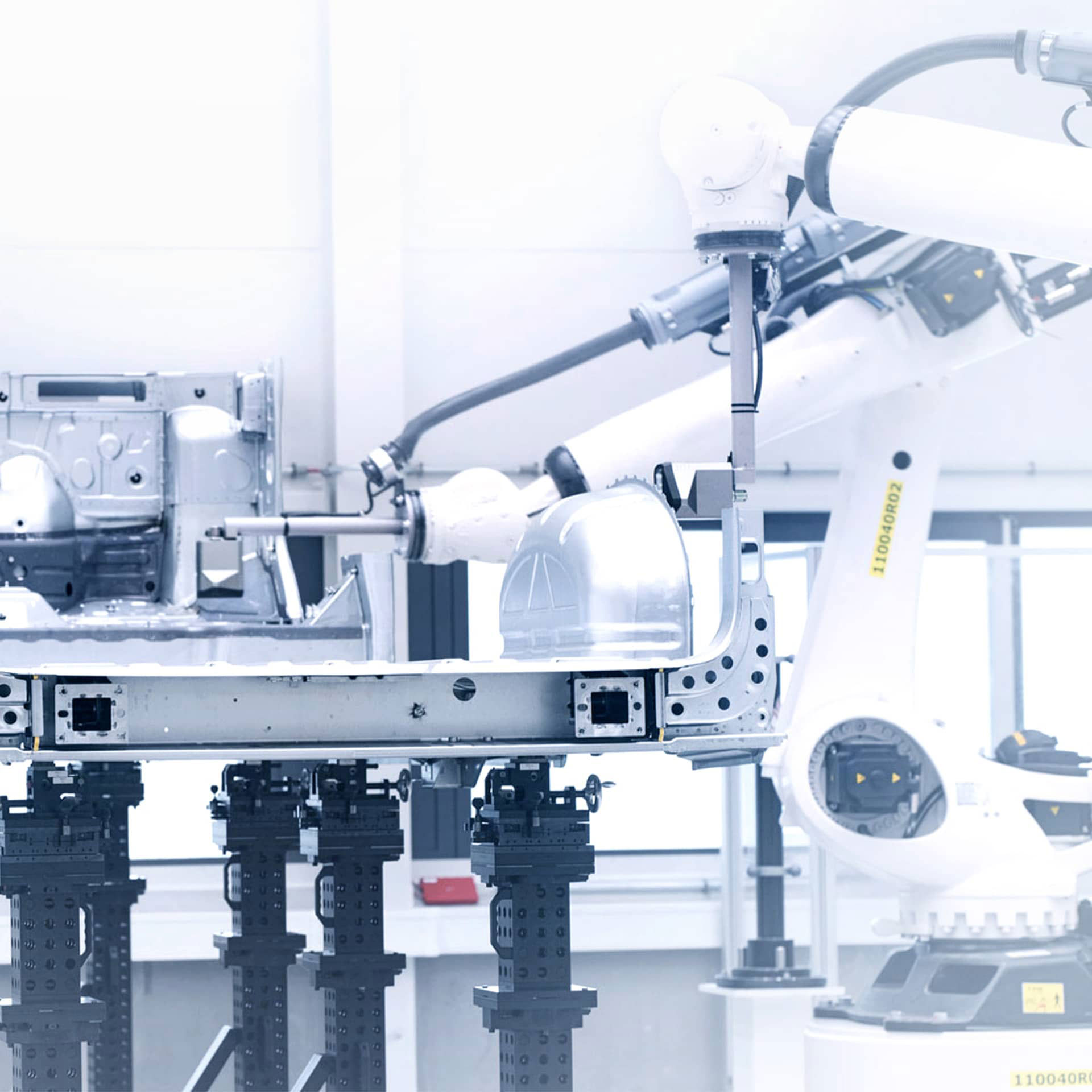
ZEISS measurement technology ensures perfect results in sectors of industry where precision, quality, and efficiency are essential success factors.
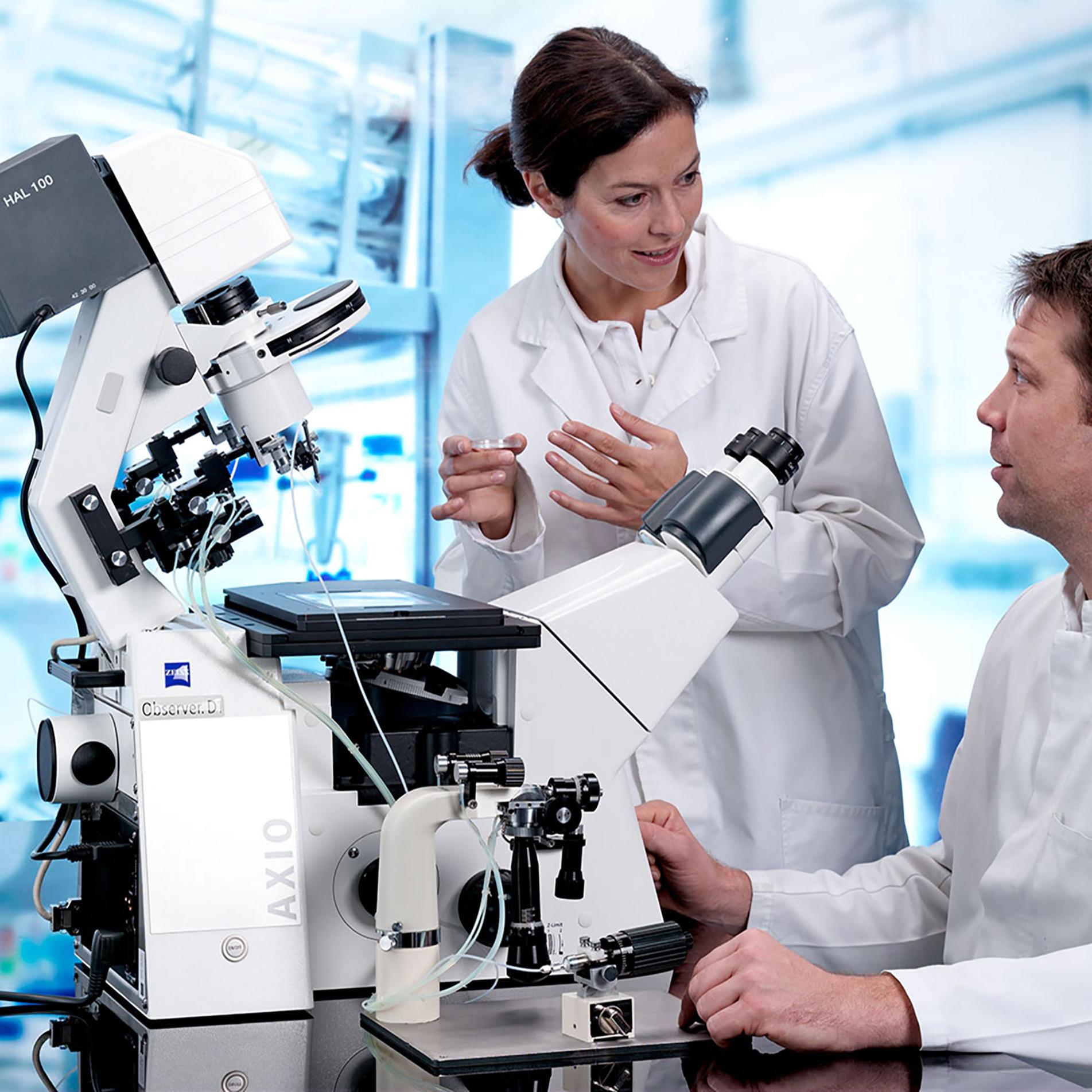
With ZEISS optical, electron/ion and X-ray microscopes you visualize the smallest structures and fastest processes.
Photography fans rely on lenses by ZEISS to capture unforgettable moments. ZEISS lenses were even there for the Moon landing.
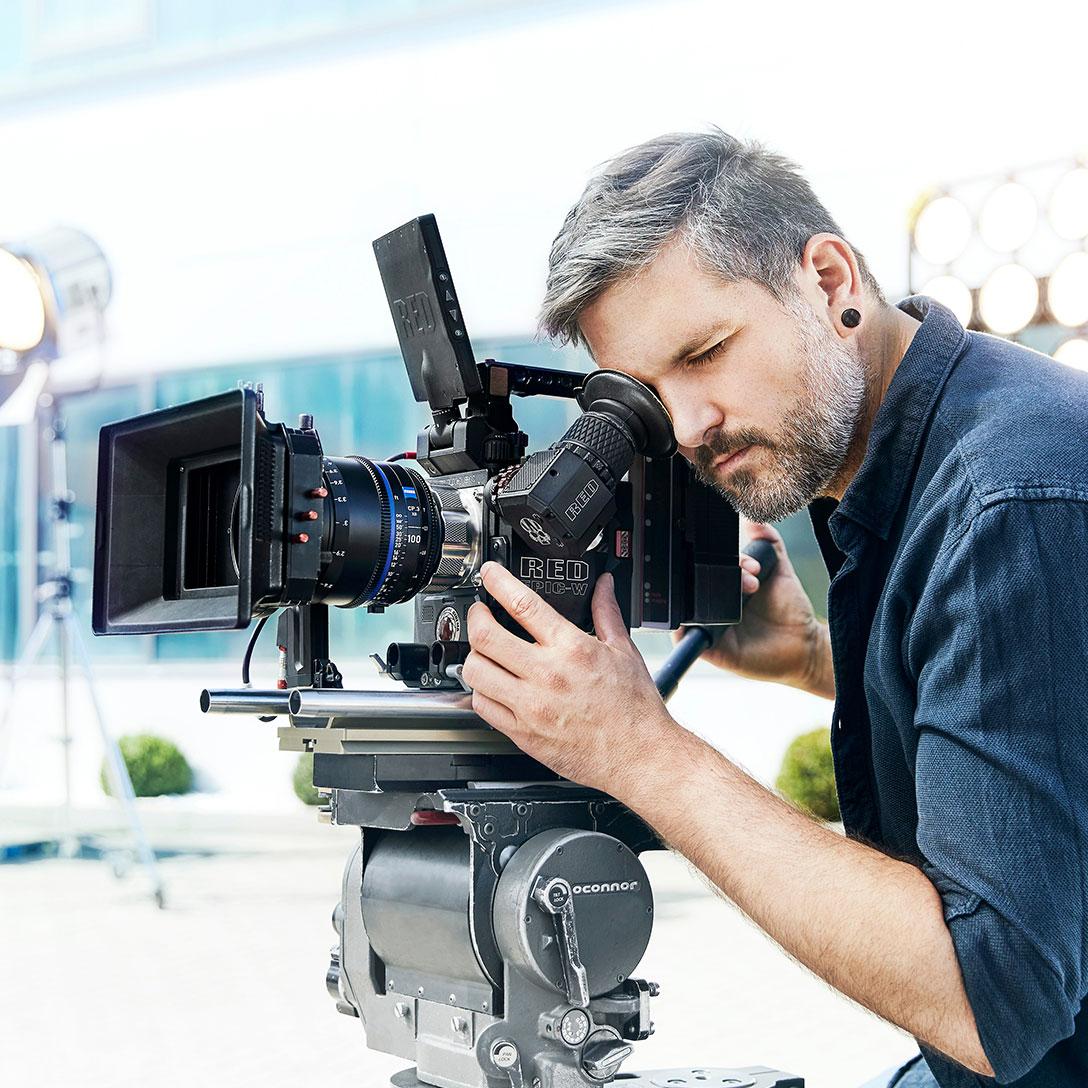
Many major movies are filmed with ZEISS lenses. Tailored to a wide range of needs, they win people over with their excellent quality.
ZEISS riflescopes and thermal imaging devices help hunters to reliably hit the mark in any situation so that they can fulfill their responsibilities.
ZEISS binoculars and spotting scopes provide impressive insights into the nature with vibrant, high-contrast images.
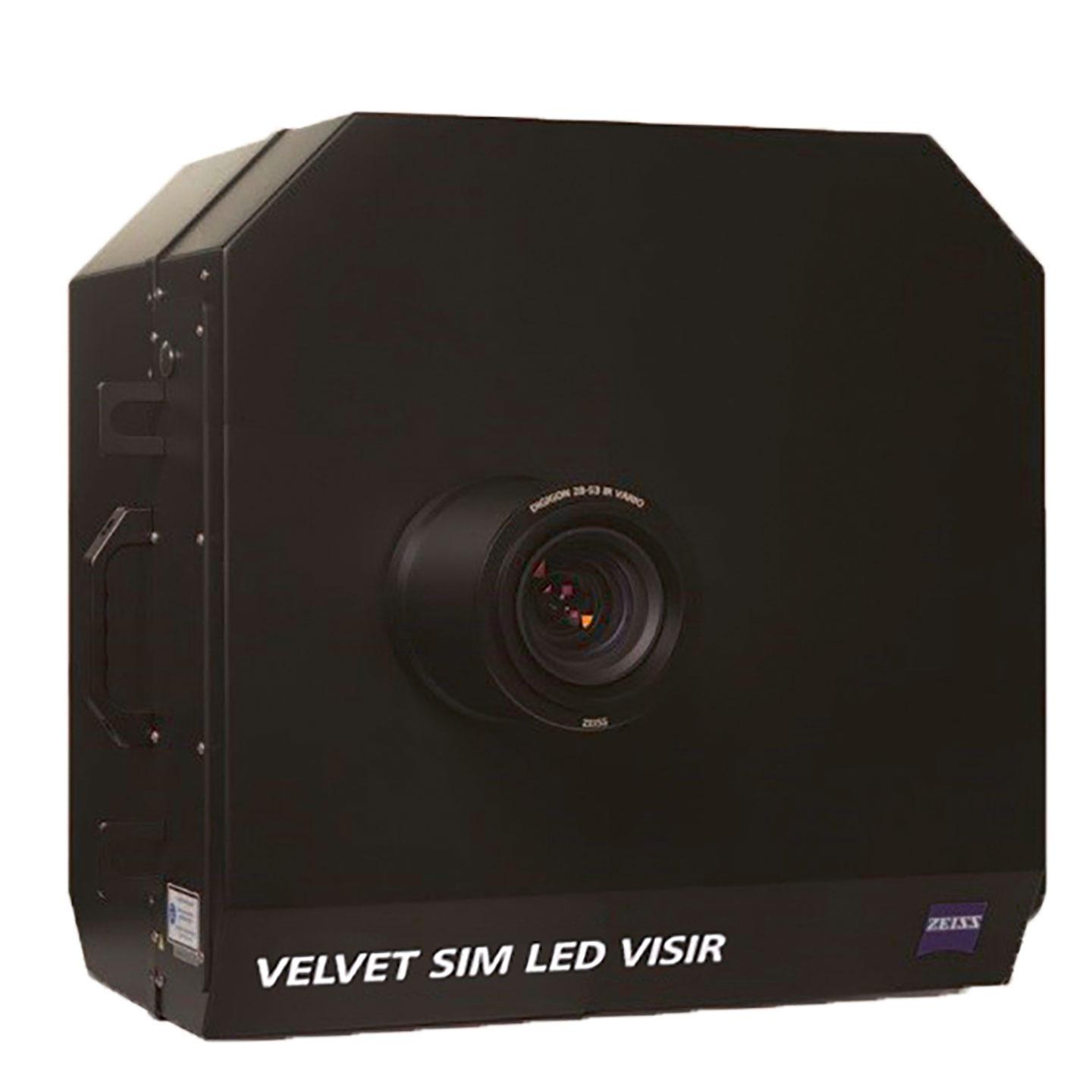
Simulation applications with ZEISS VELVET SIM projectors create a realistic impression of a virtual reality.
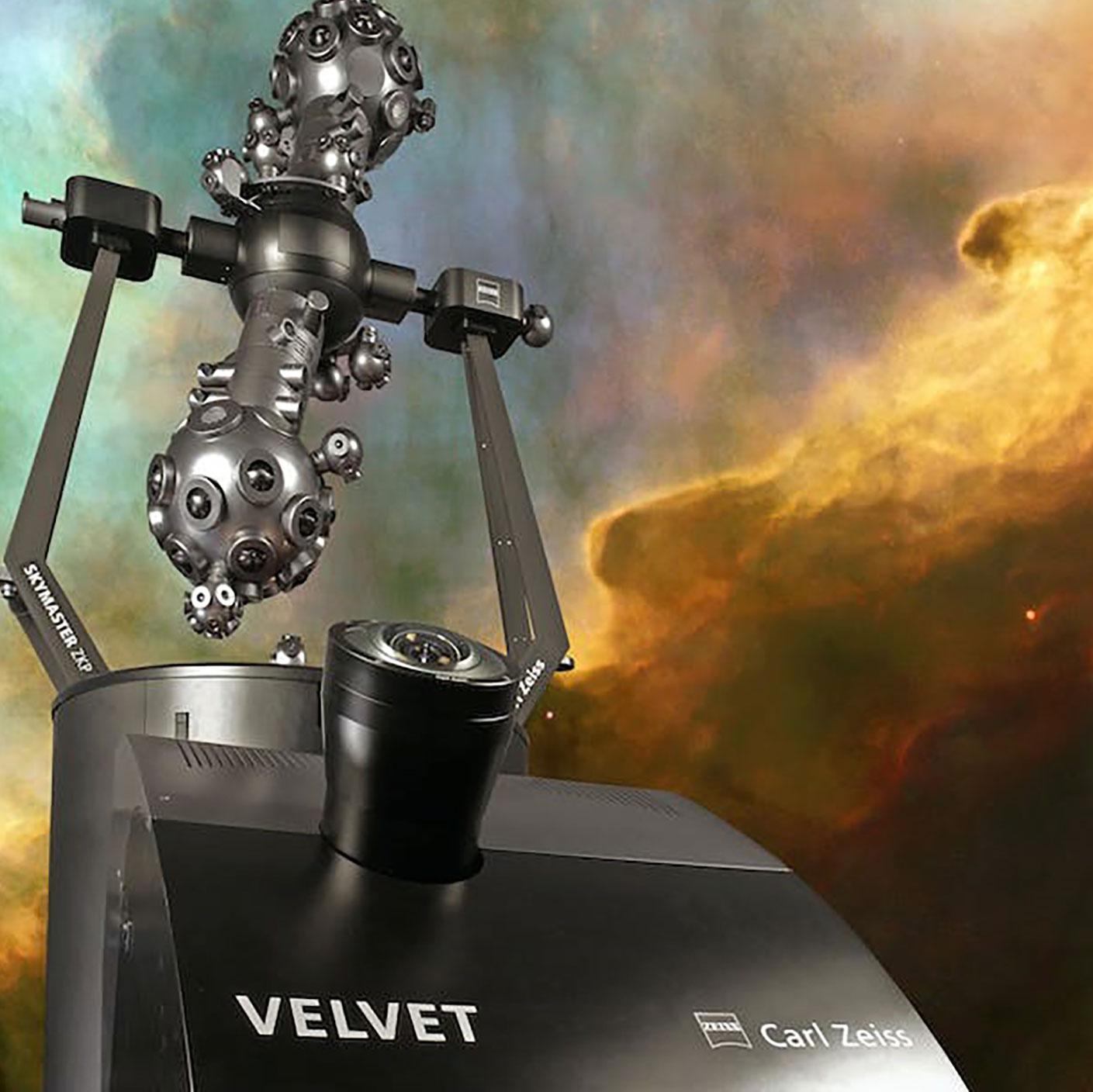
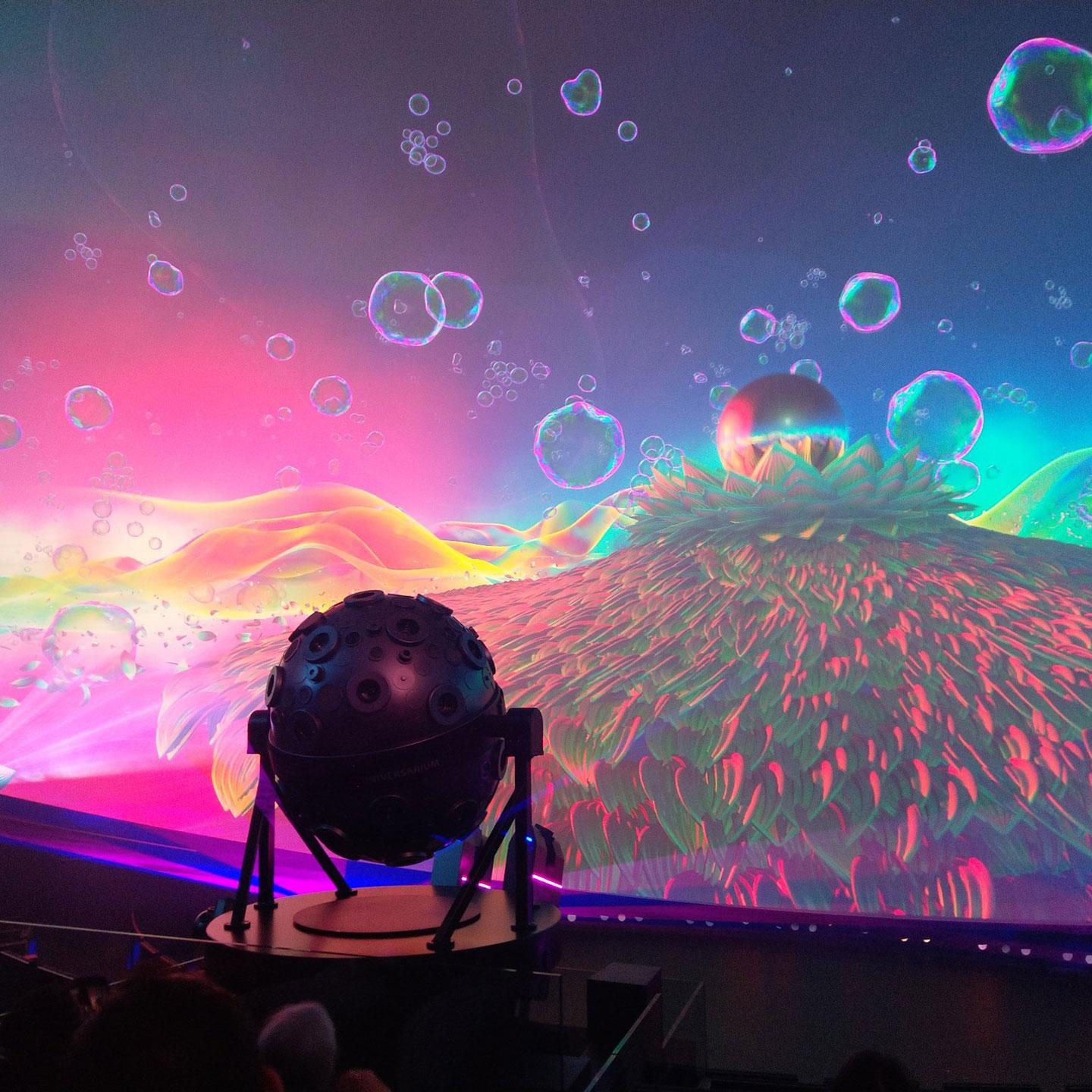
ZEISS is a supplier of complete systems for modern planetariums.
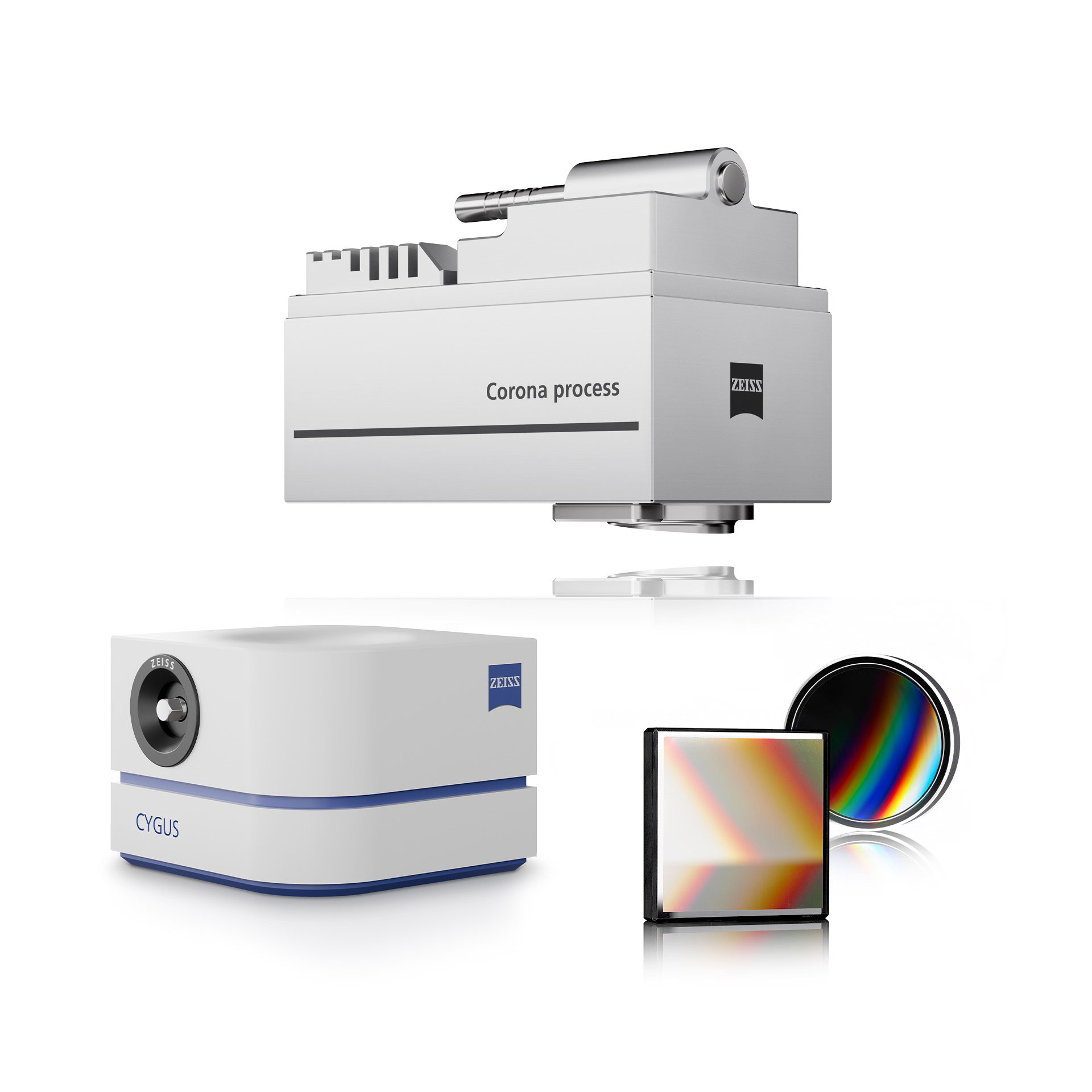
ZEISS spectrometer solutions and components are perfectly tailored to bring value to the process control through efficiency, quality and stability.
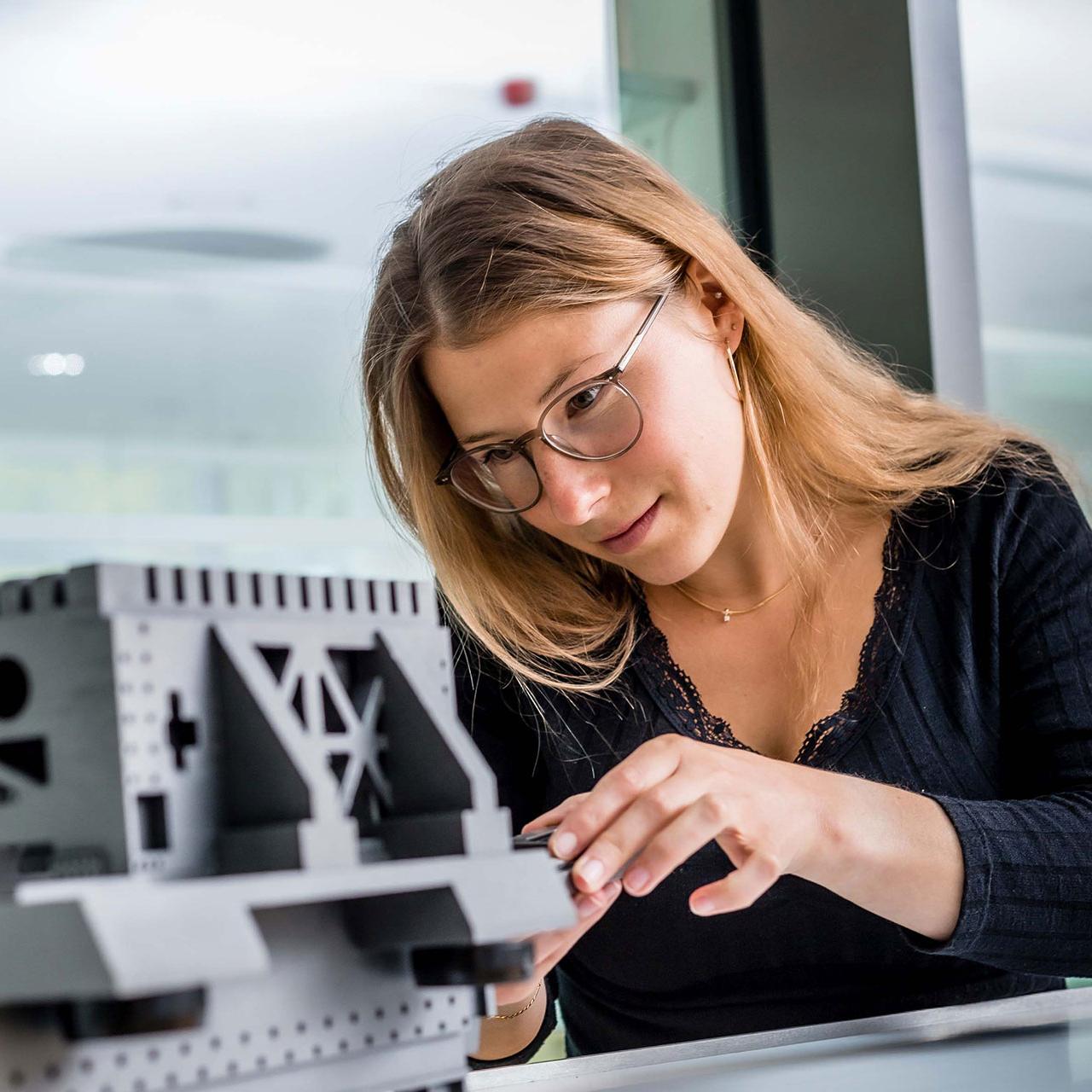
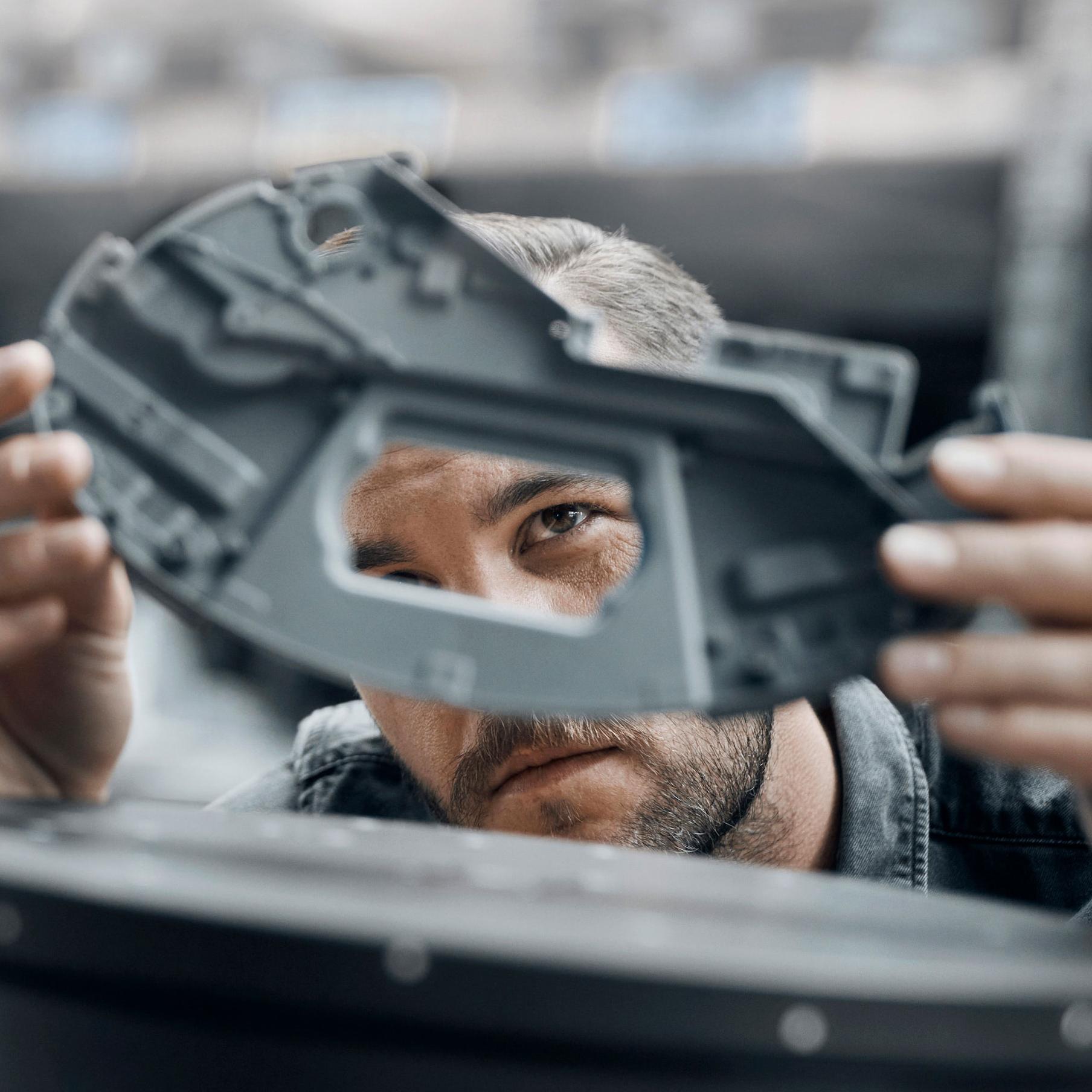
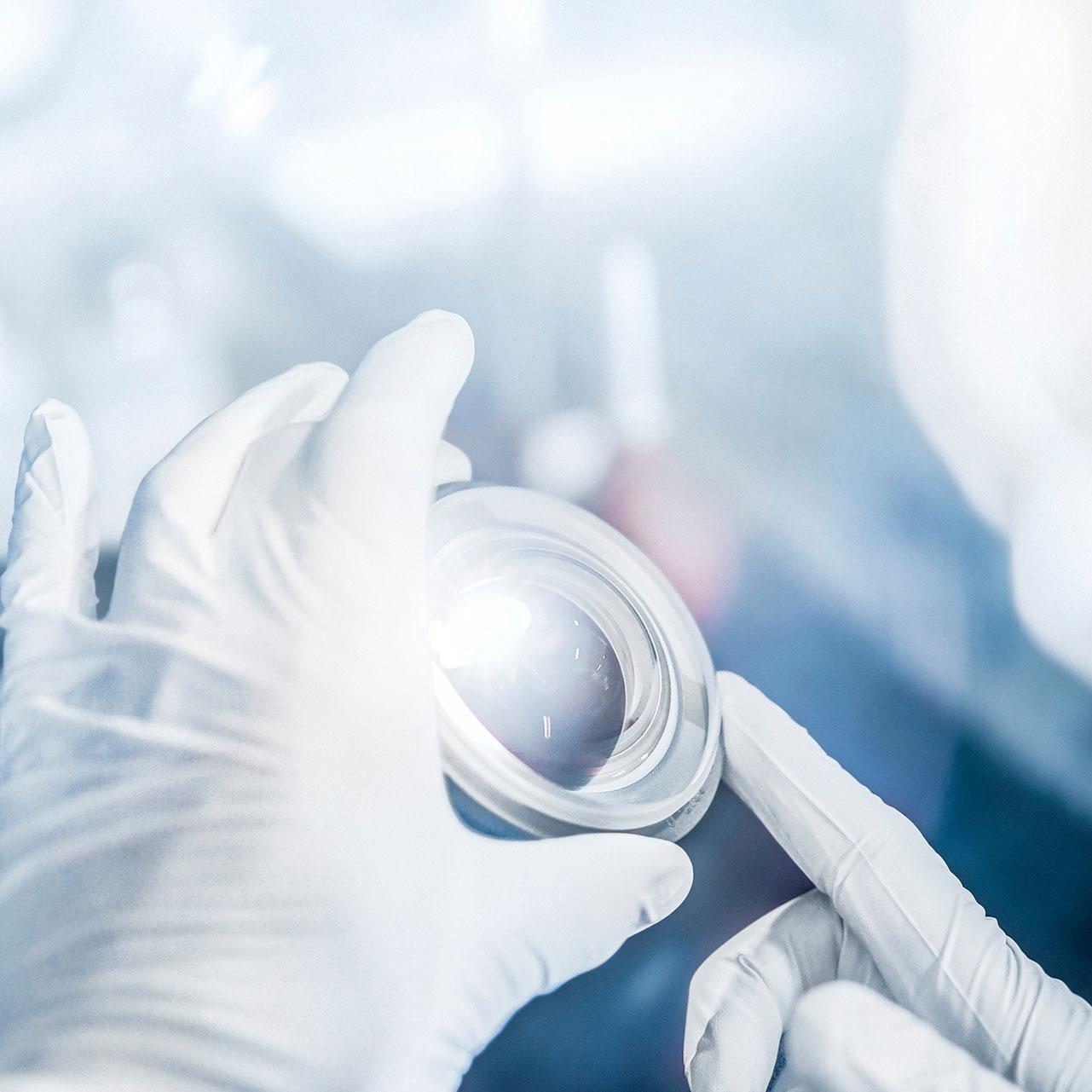
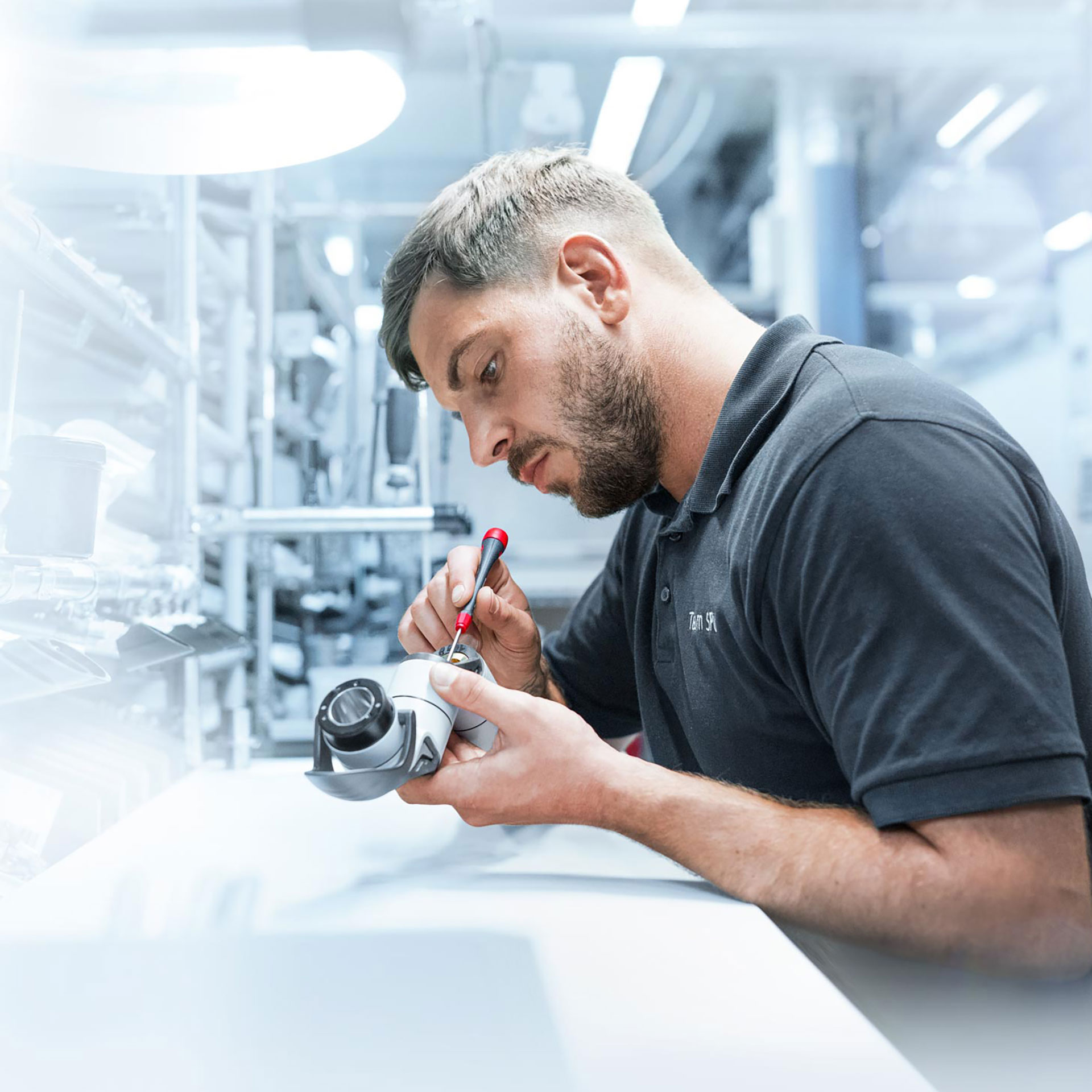
ZEISS' expertise makes it a reliable partner in developing, constructing and manufacturing of precise components, optical modules and systems.
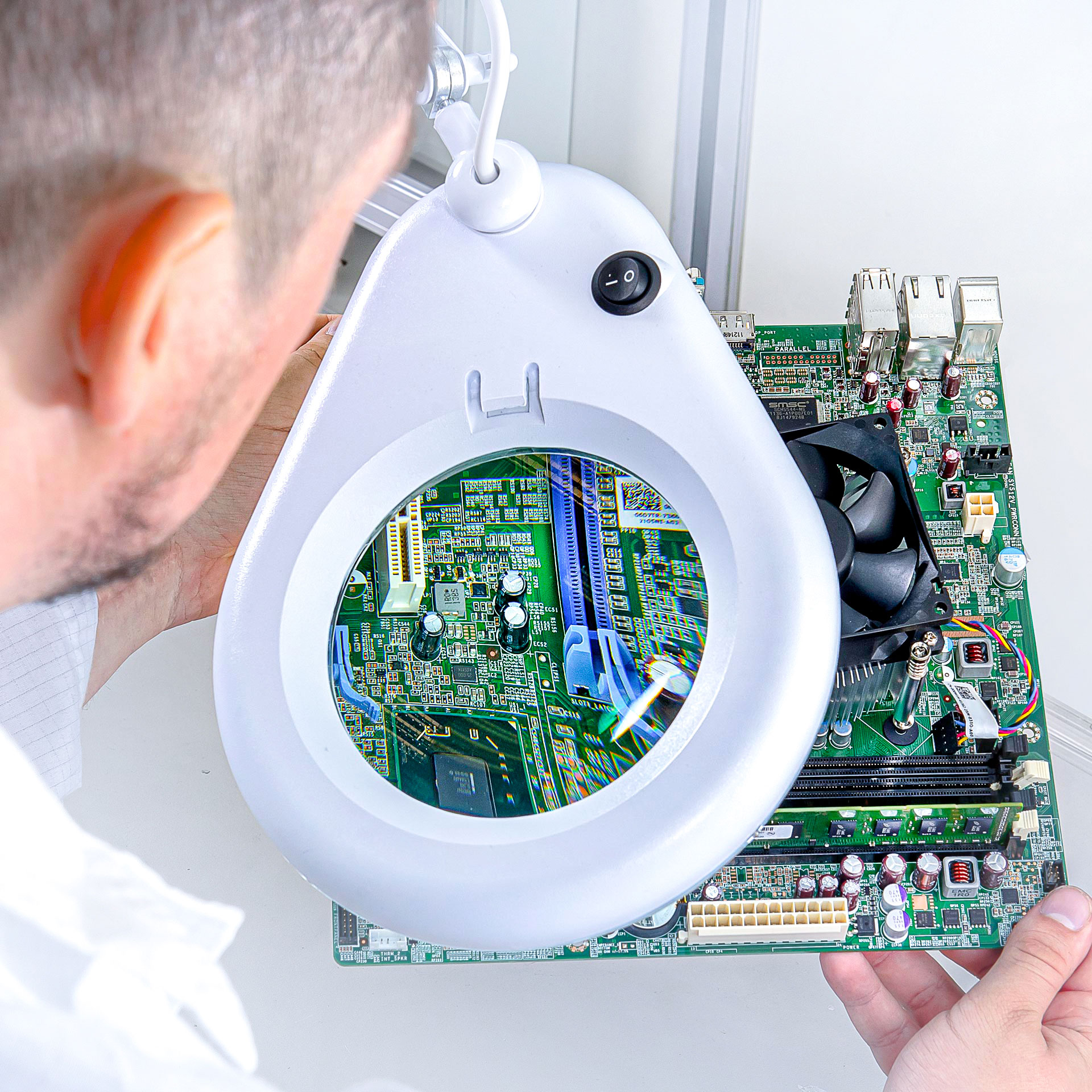
With considerable expertise in the high-tech sector and agile working methods, ZEISS develops tailored digital and software solutions that shape markets.