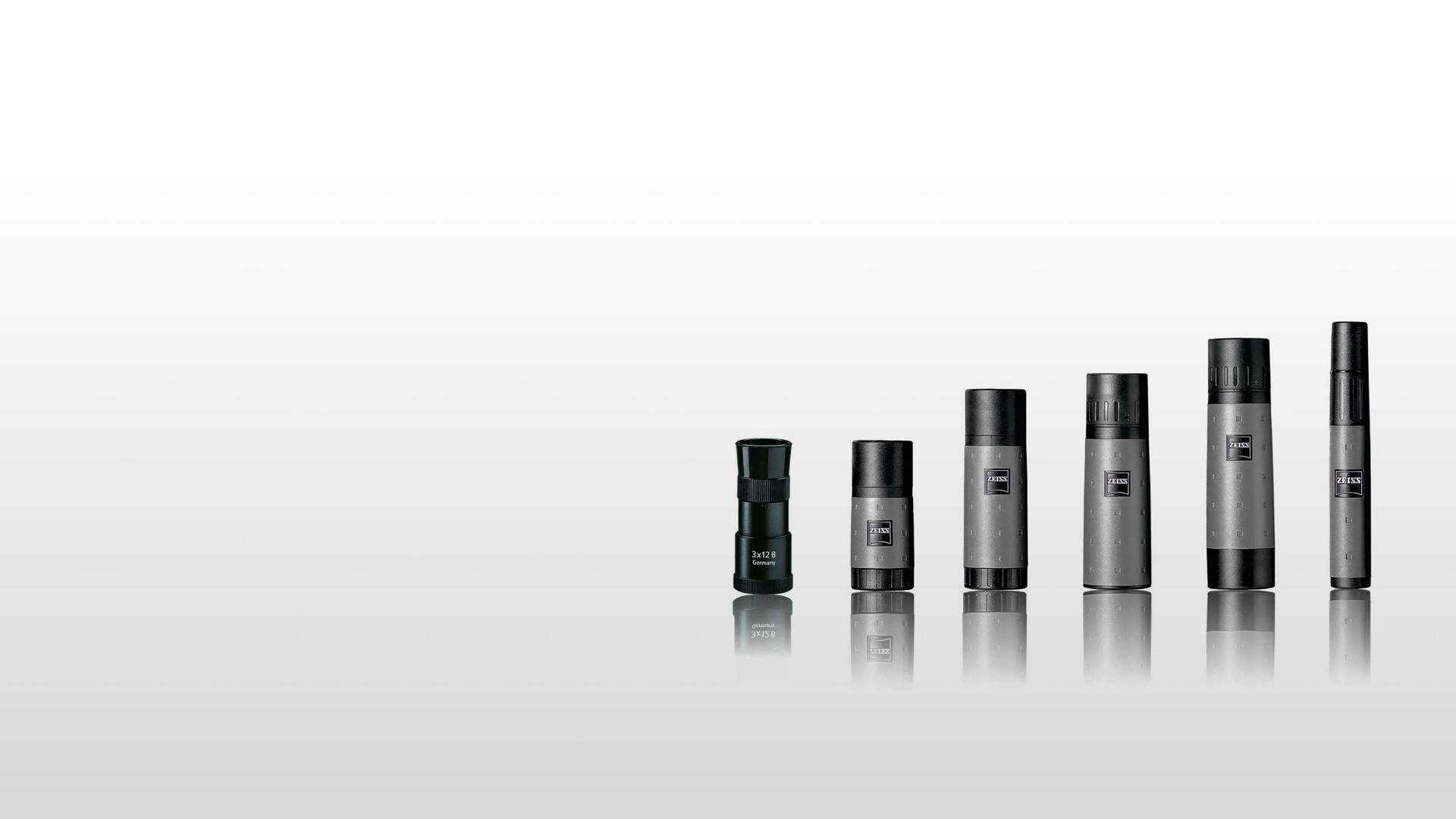

ZEISS Monokulare
Kompakte Maße – große Leistung.Monokulare sind vielseitig und kompakt, passen in jede Tasche und können Ferngläser durch eine dreifache Vergrößerung für detaillierte Beobachtungen ergänzen. Sie sind ideal für Sportveranstaltungen, Theater und Outdoor-Aktivitäten, da sie selbst kleinste Details sichtbar machen.



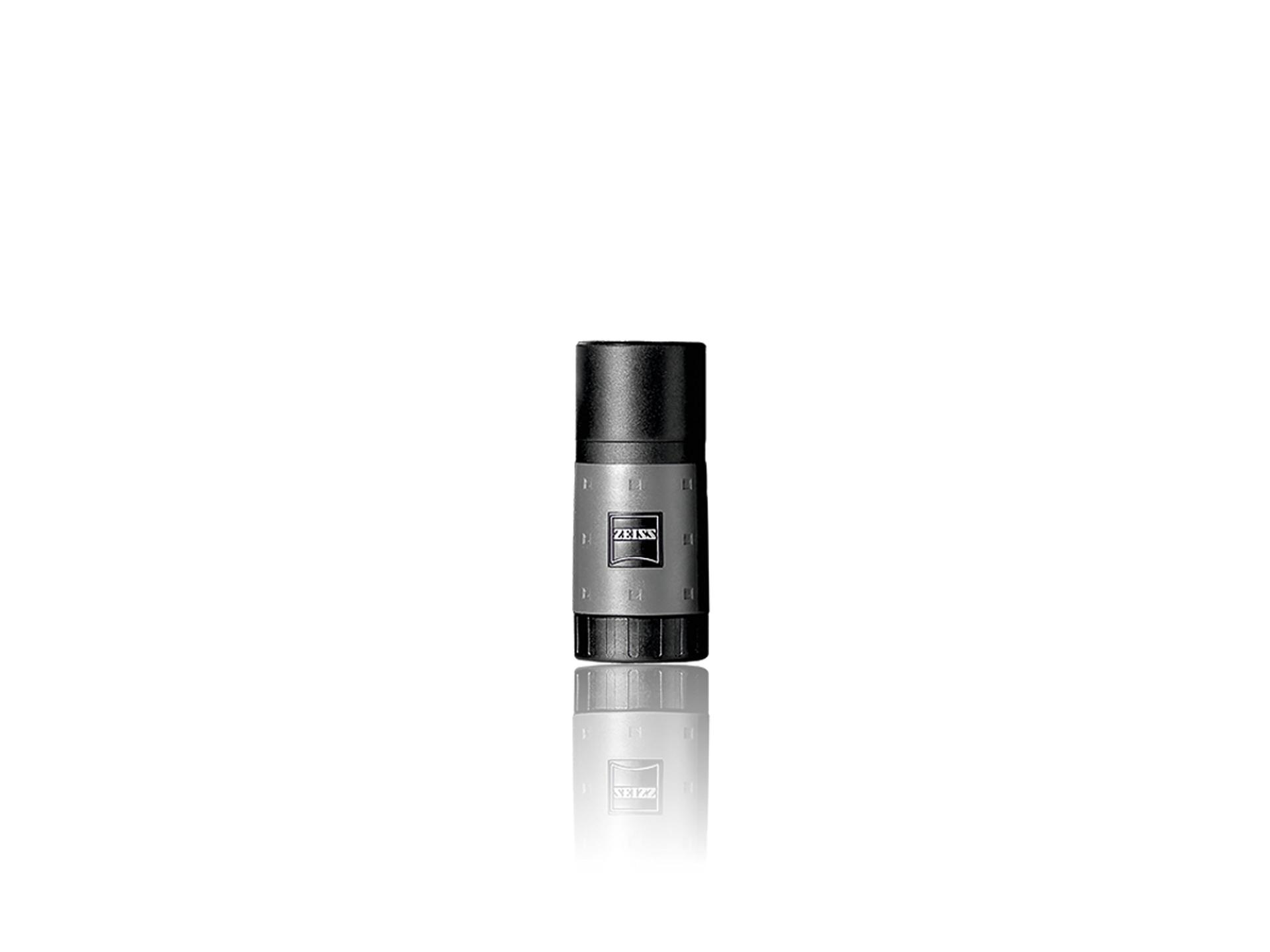

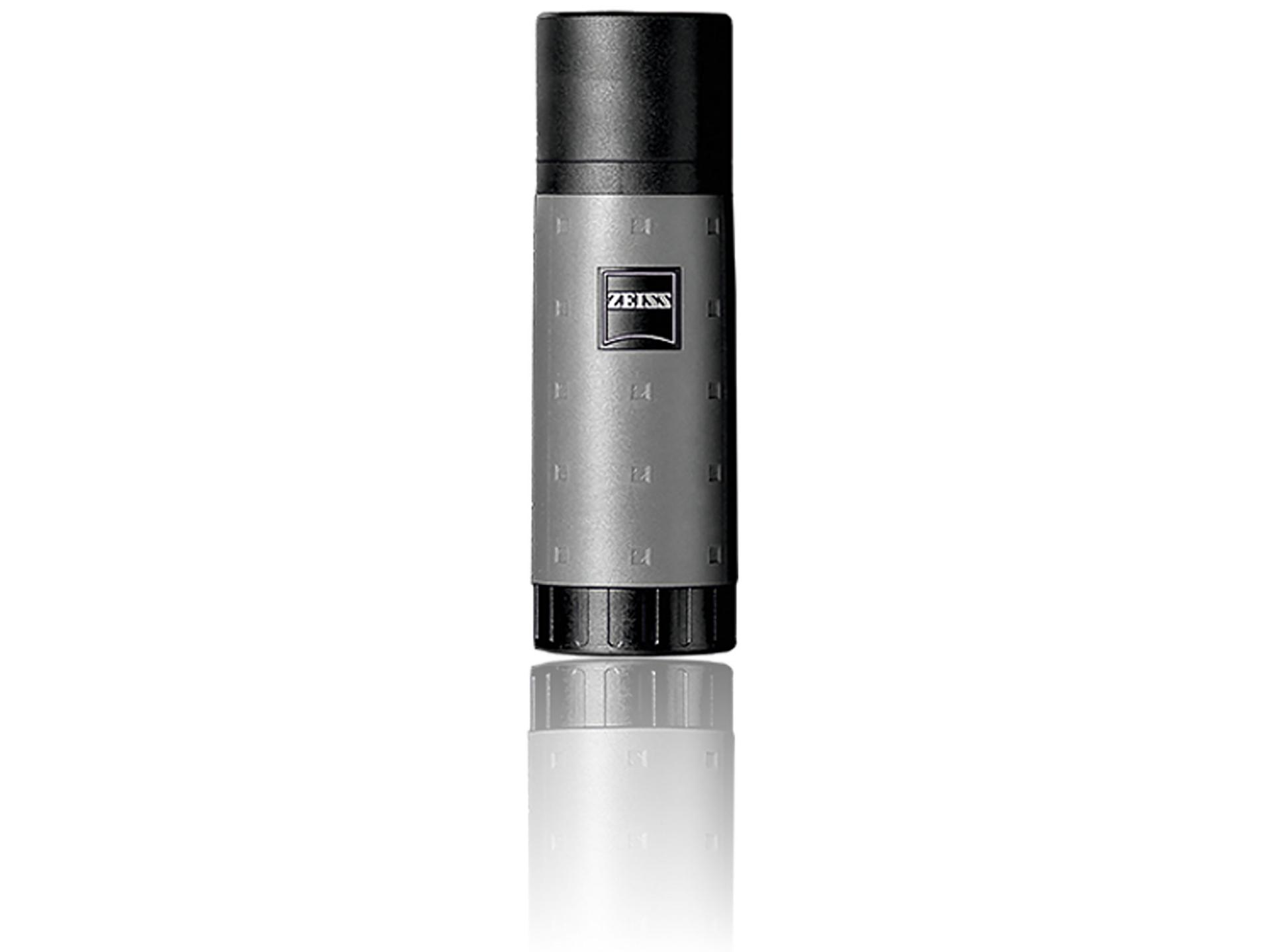

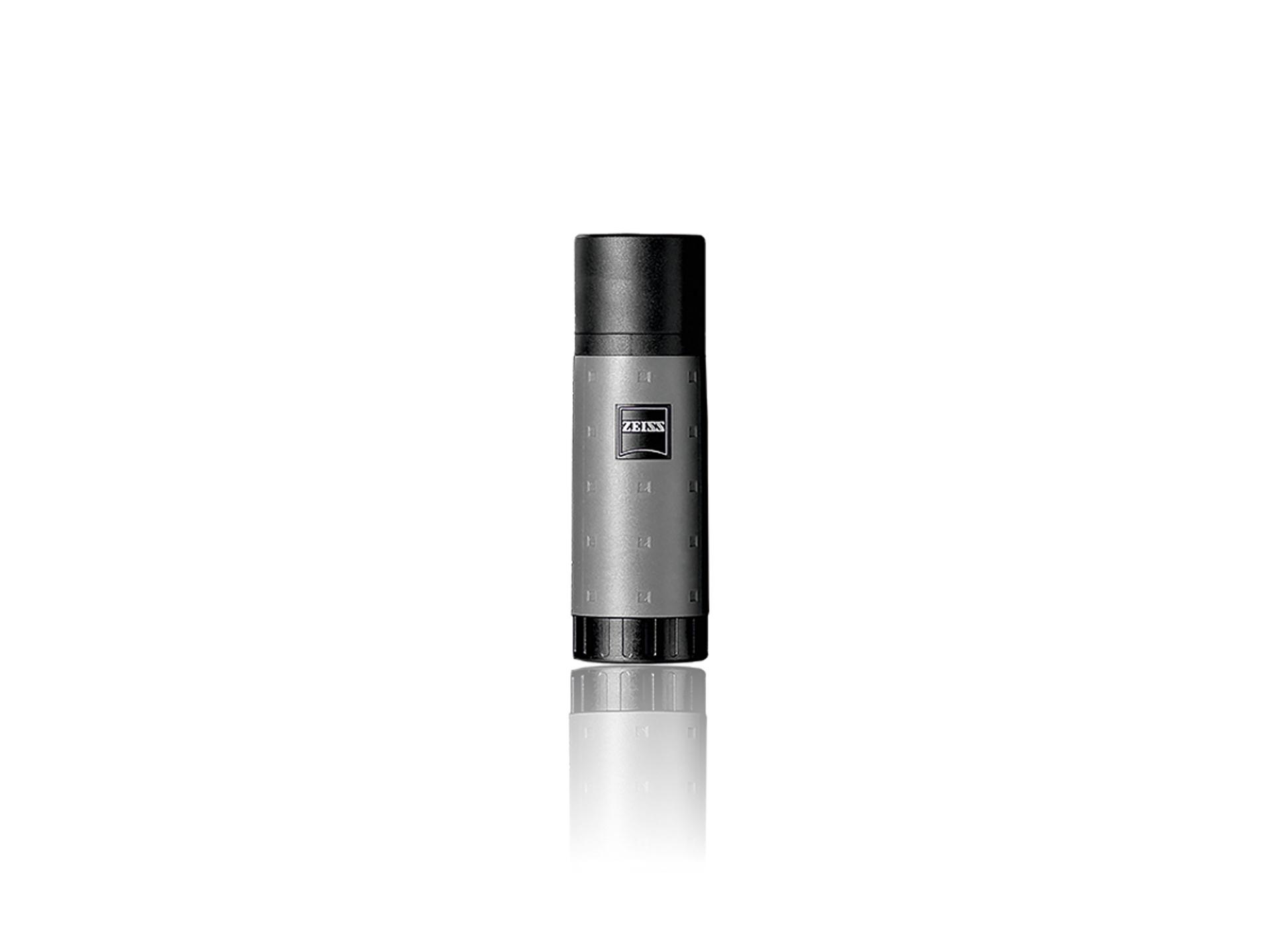

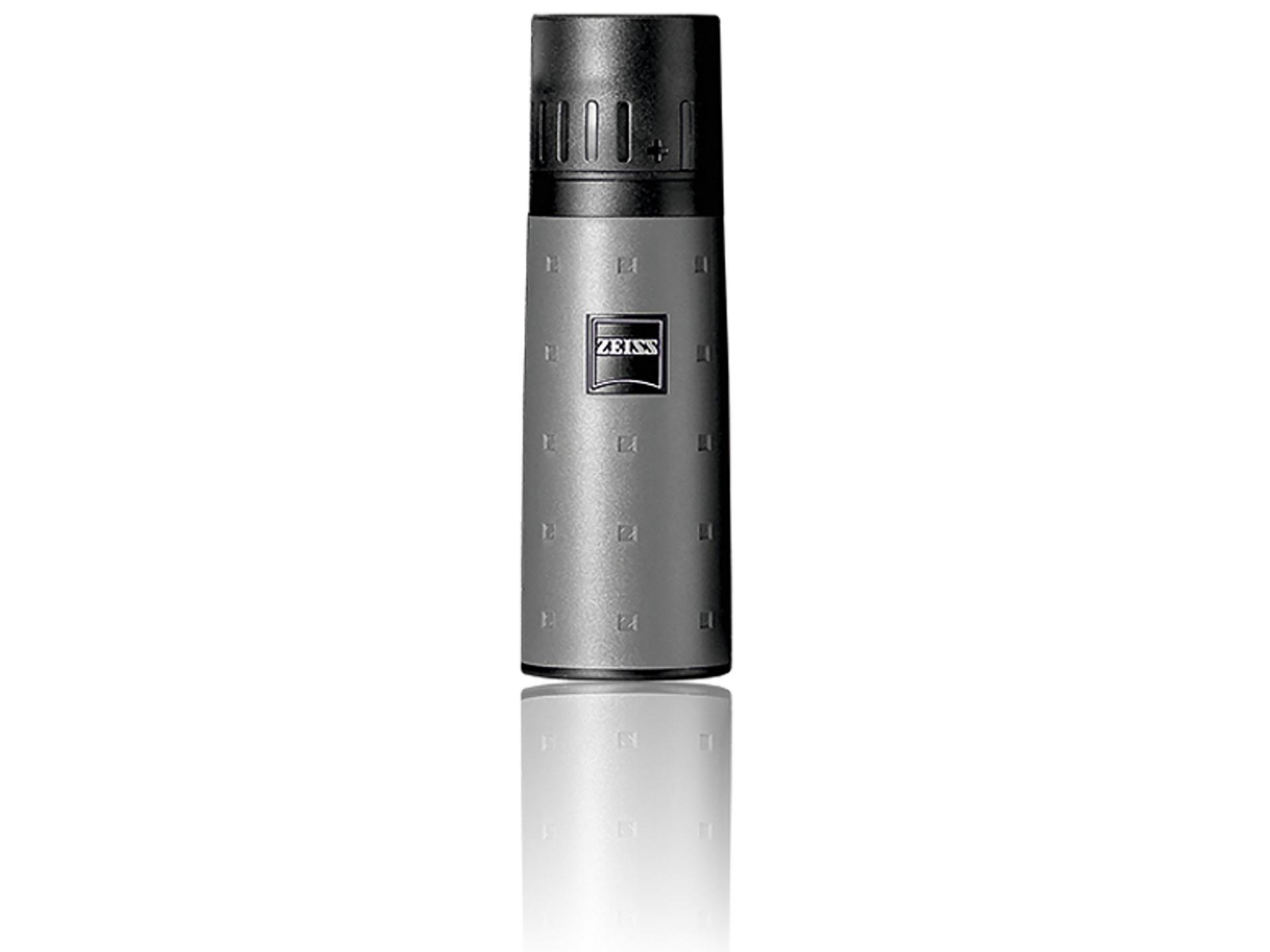







Immer dabei
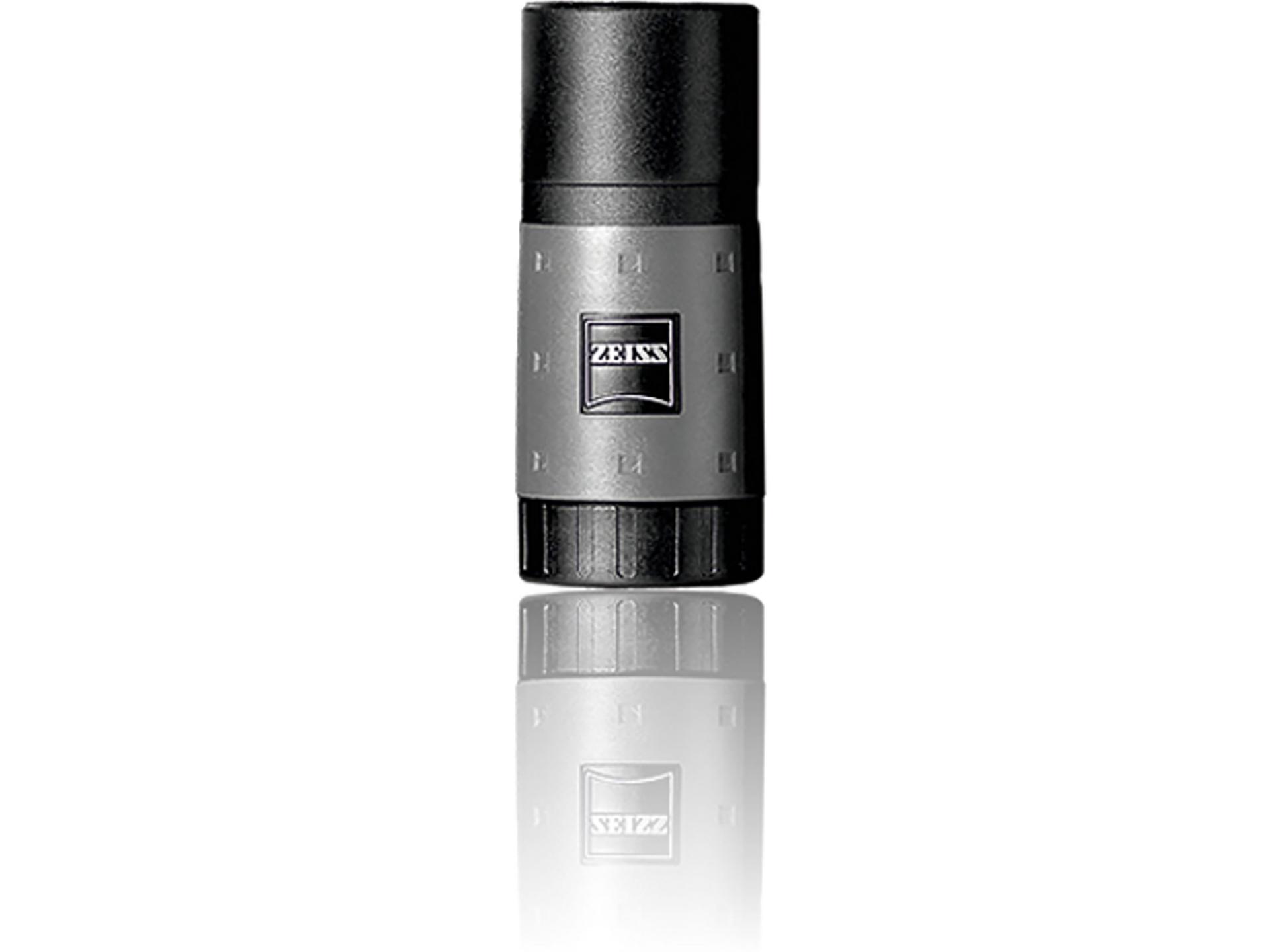
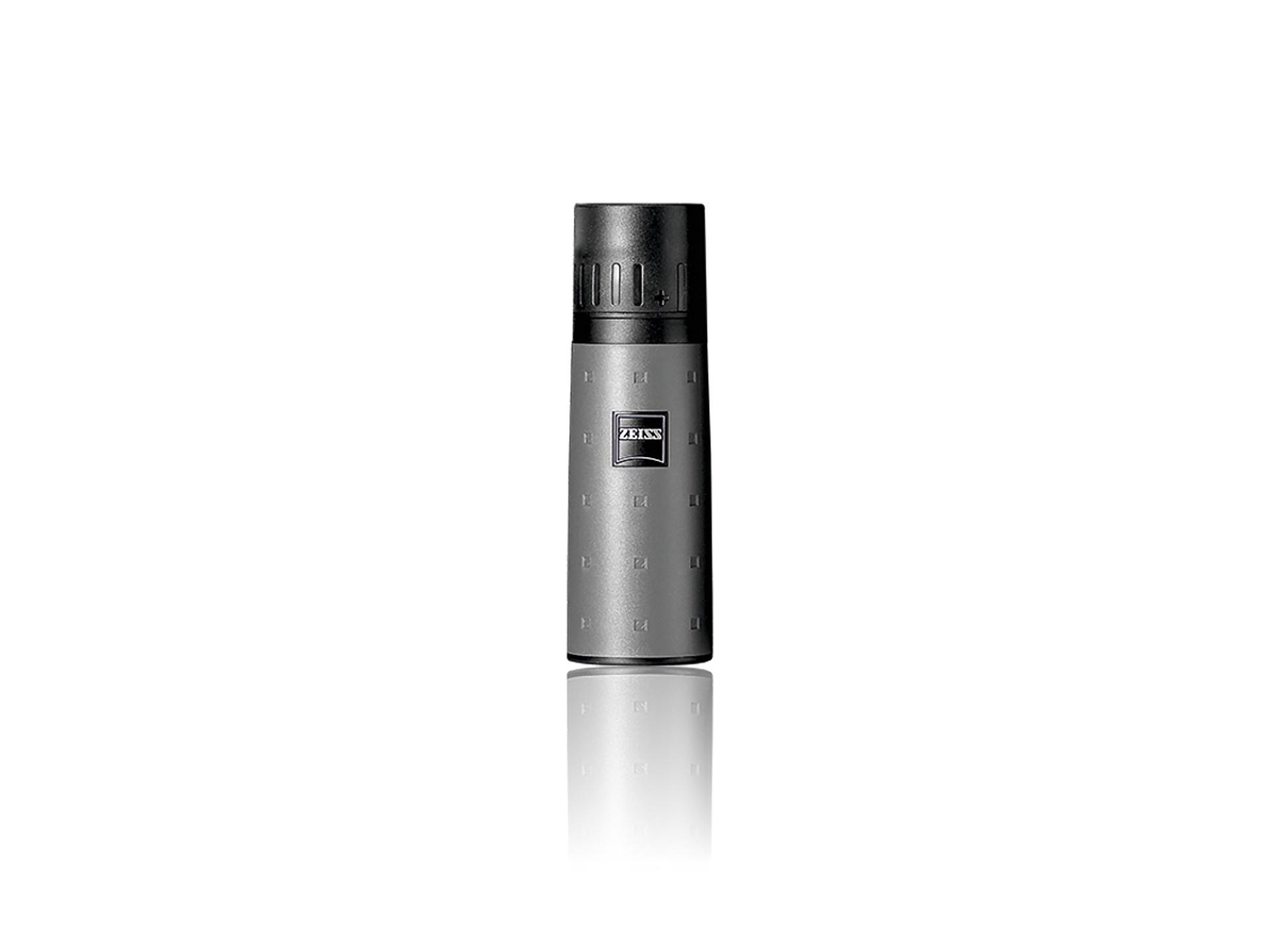
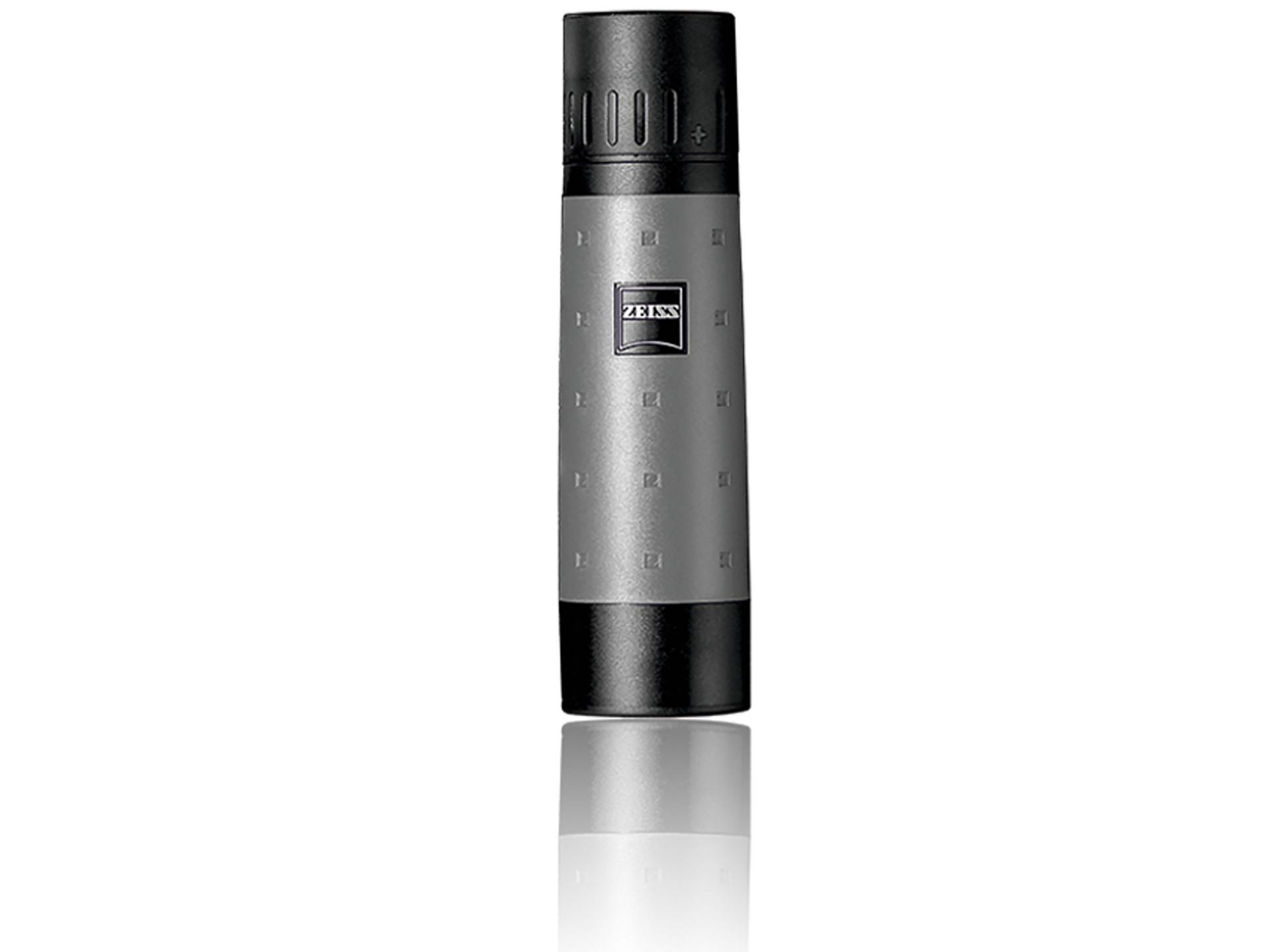
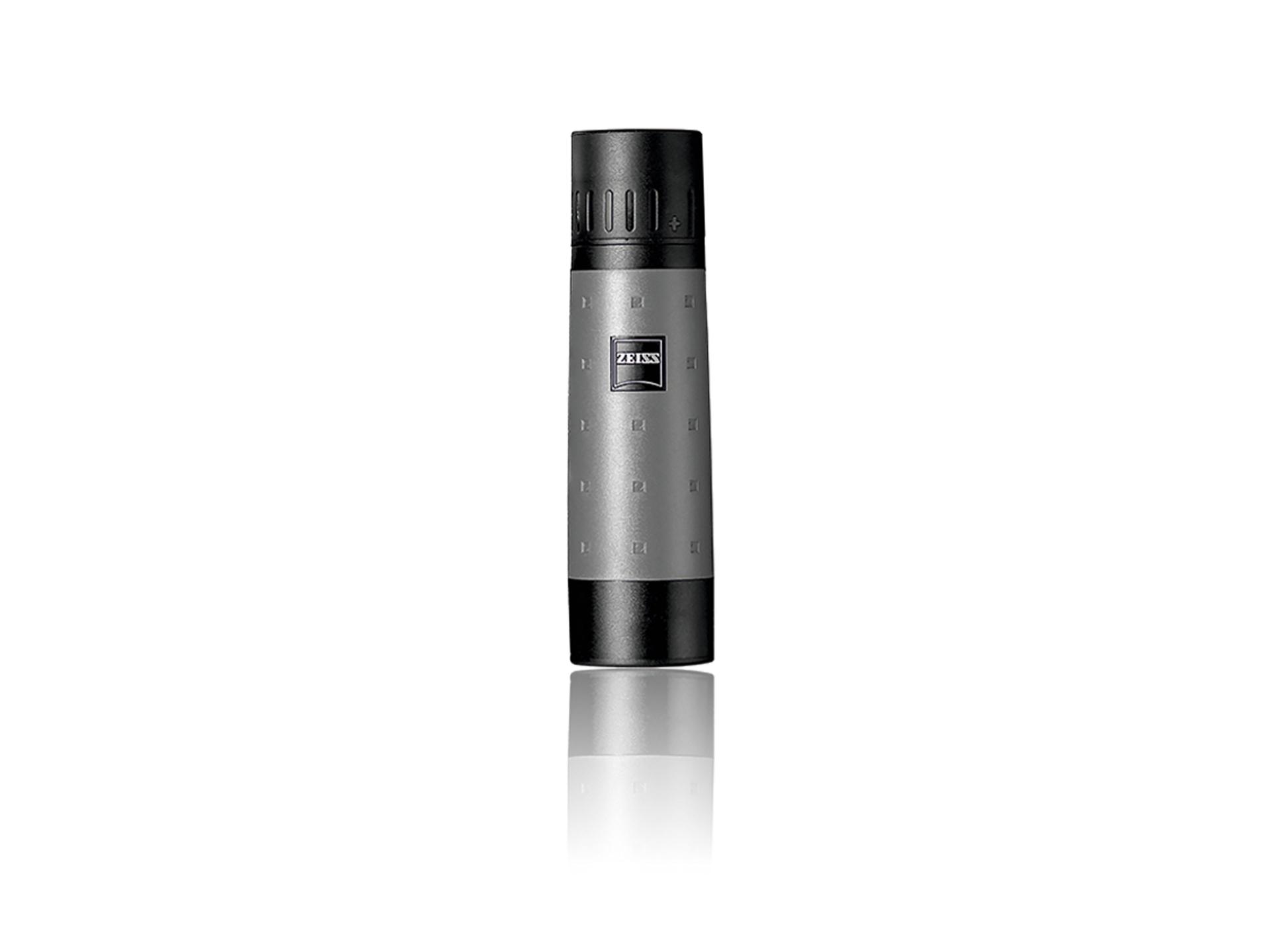
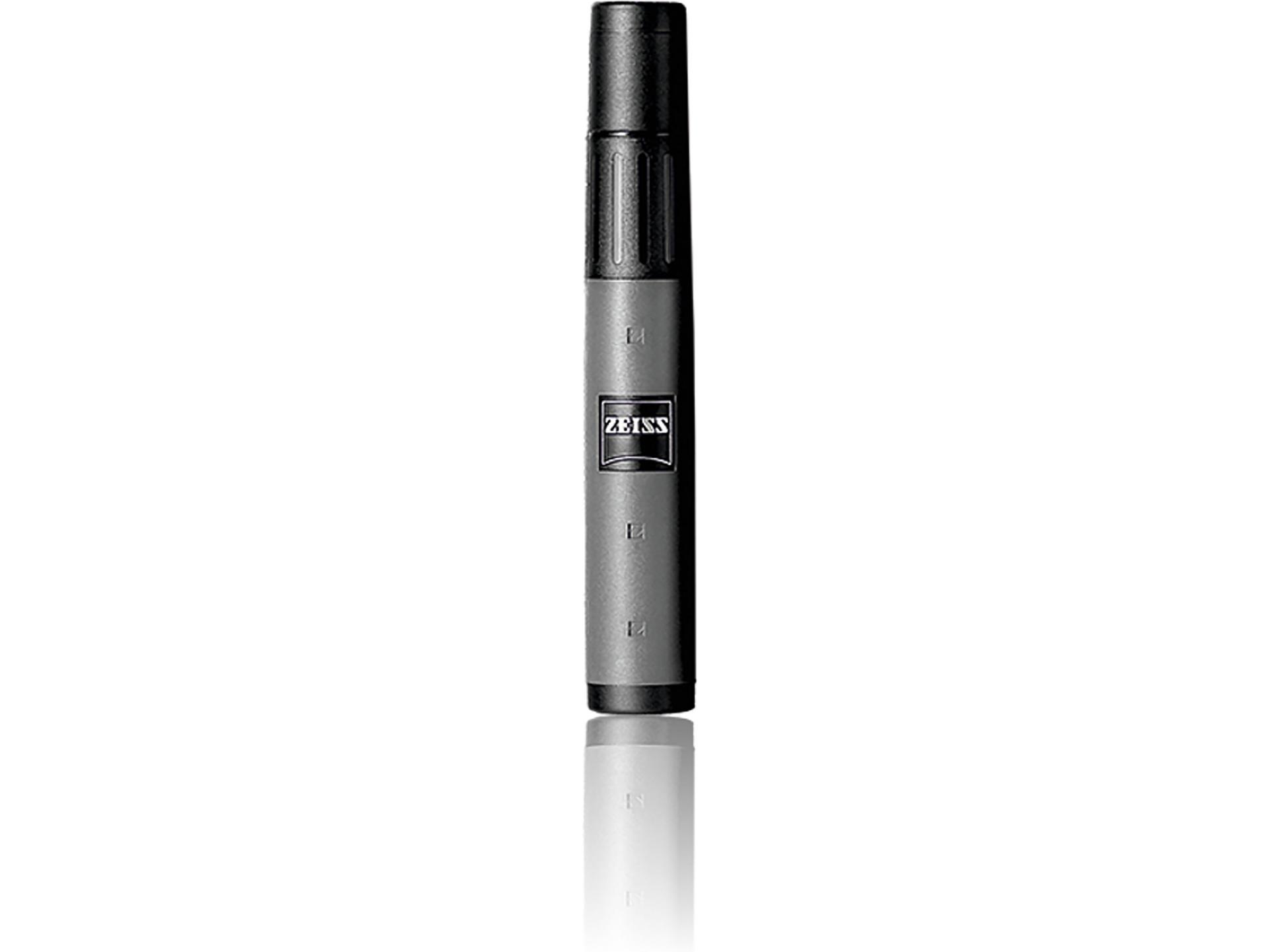
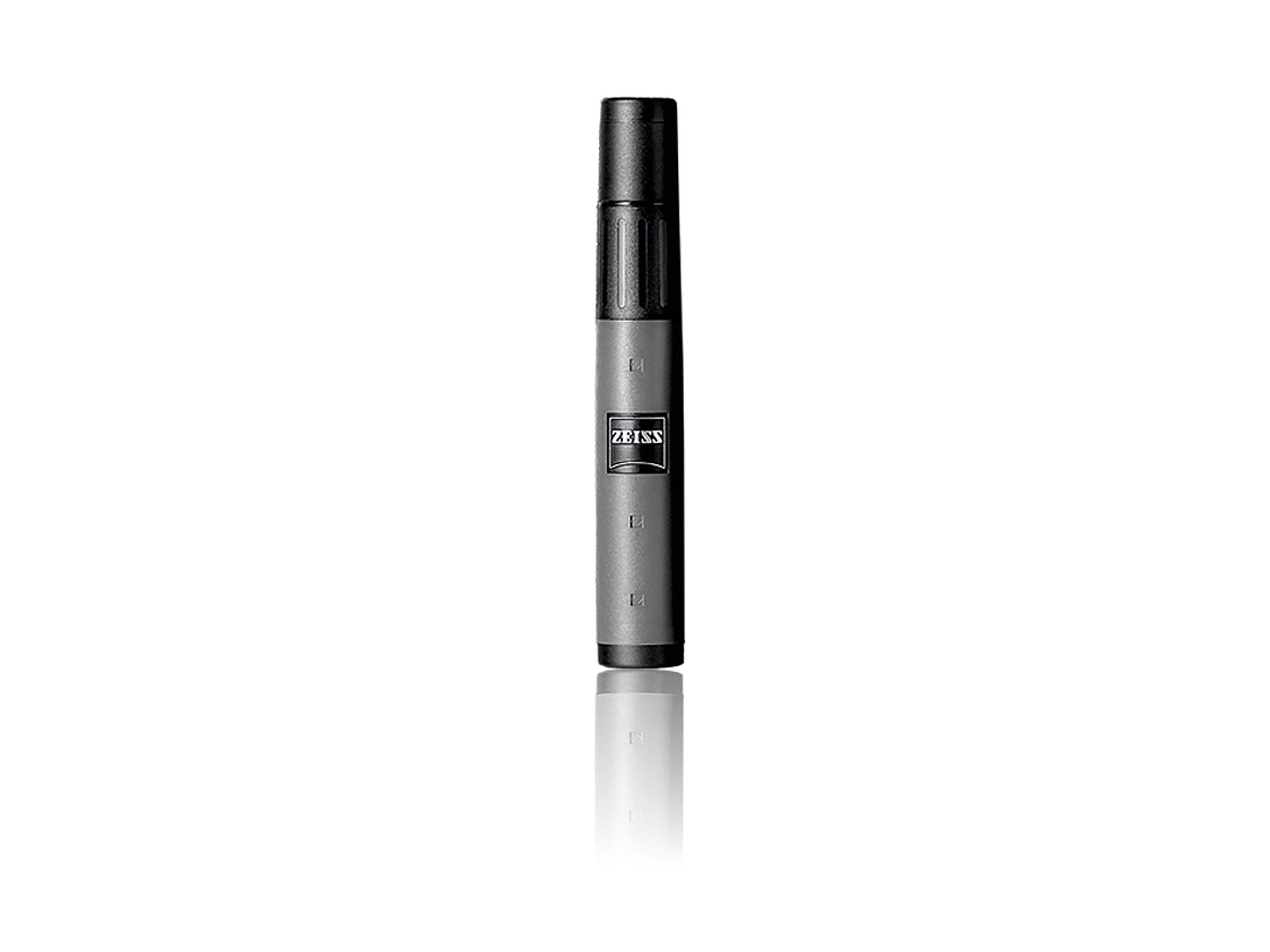
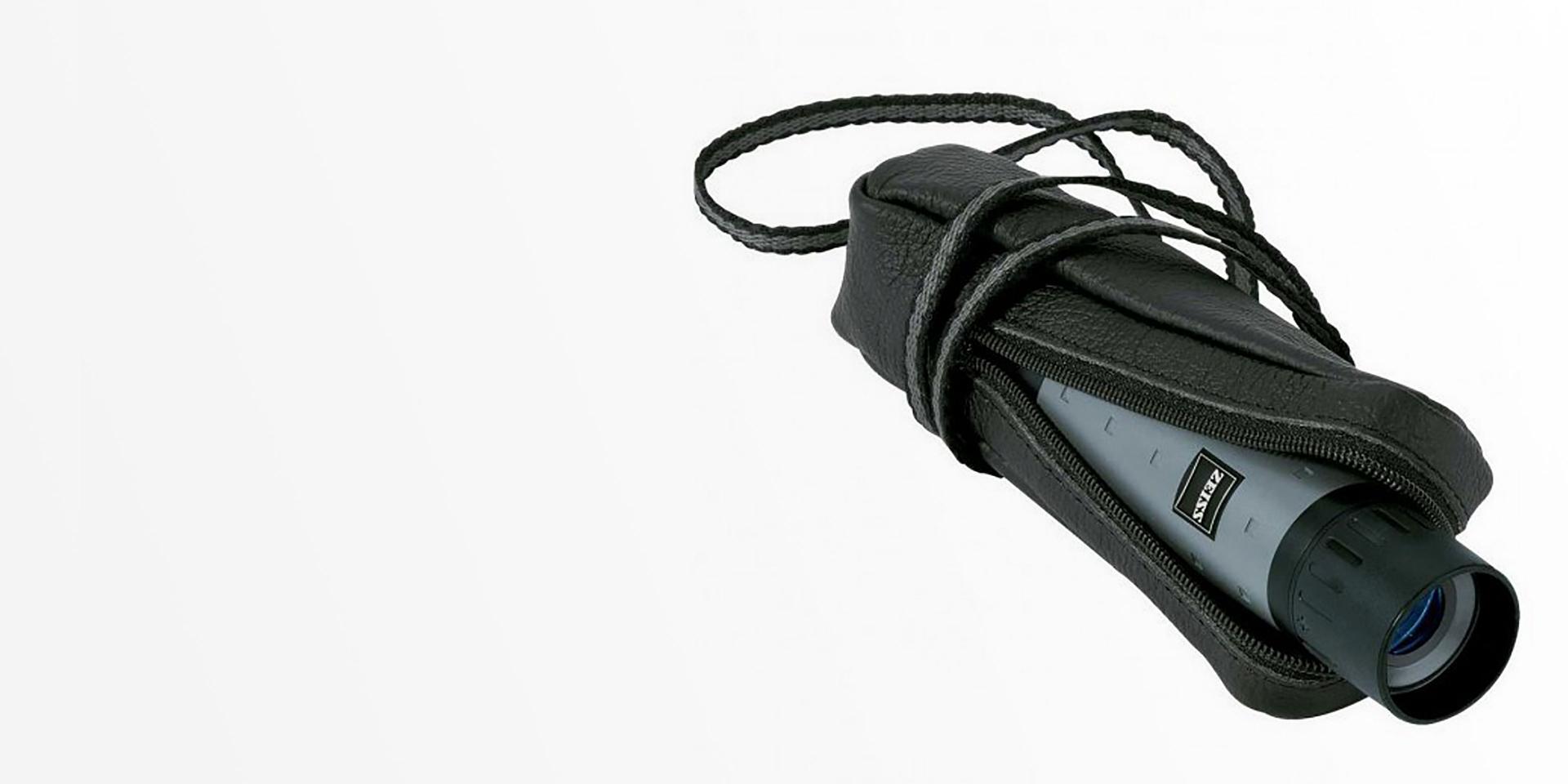
Klein, leicht und sportlich – Sie haben die kompakten Monos in der Natur, auf Konzerten oder bei Sportveranstaltungen immer zur Hand. Sie bringen Details blitzschnell auf Armeslänge heran - damit Ihnen kein Detail entgeht. Eine Dioptrienverstellung ist bis auf +|- 4 Dioptrien möglich.

ZEISS T* Coating
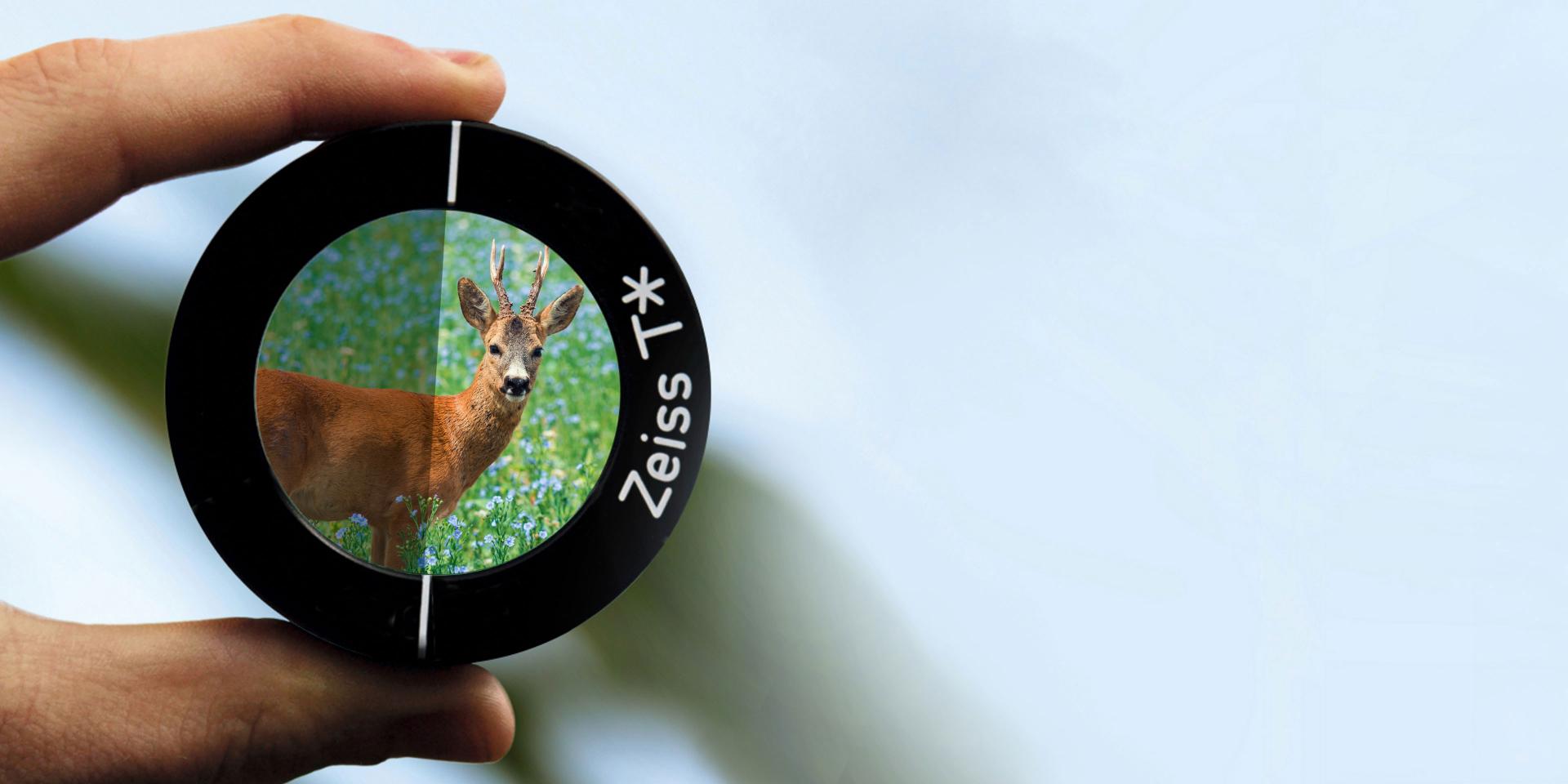
Die ZEISS T*-Mehrschichtvergütung garantiert brillante, kontrastreiche Bilder, die Sie vor allem bei ungünstigen Lichtverhältnissen und in der Dämmerung erleben werden. Dahinter verbirgt sich aber kein festes Rezept für einen Schichtaufbau, sondern eine Technologie, die ständig neuen Glasmaterialien und Anforderungen angepasst wird und von Linse zu Linse variiert.

Dreifach verstärkt
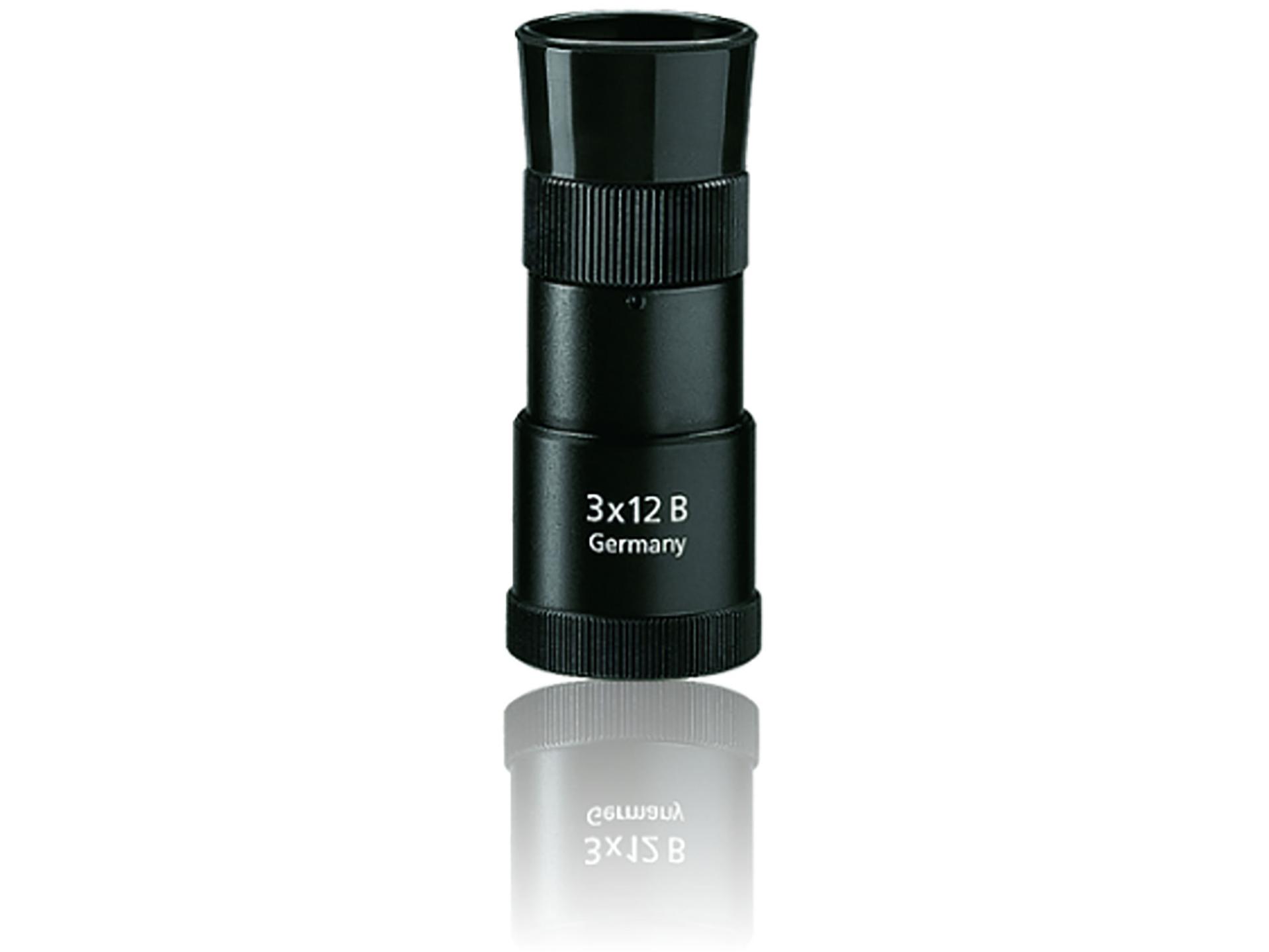
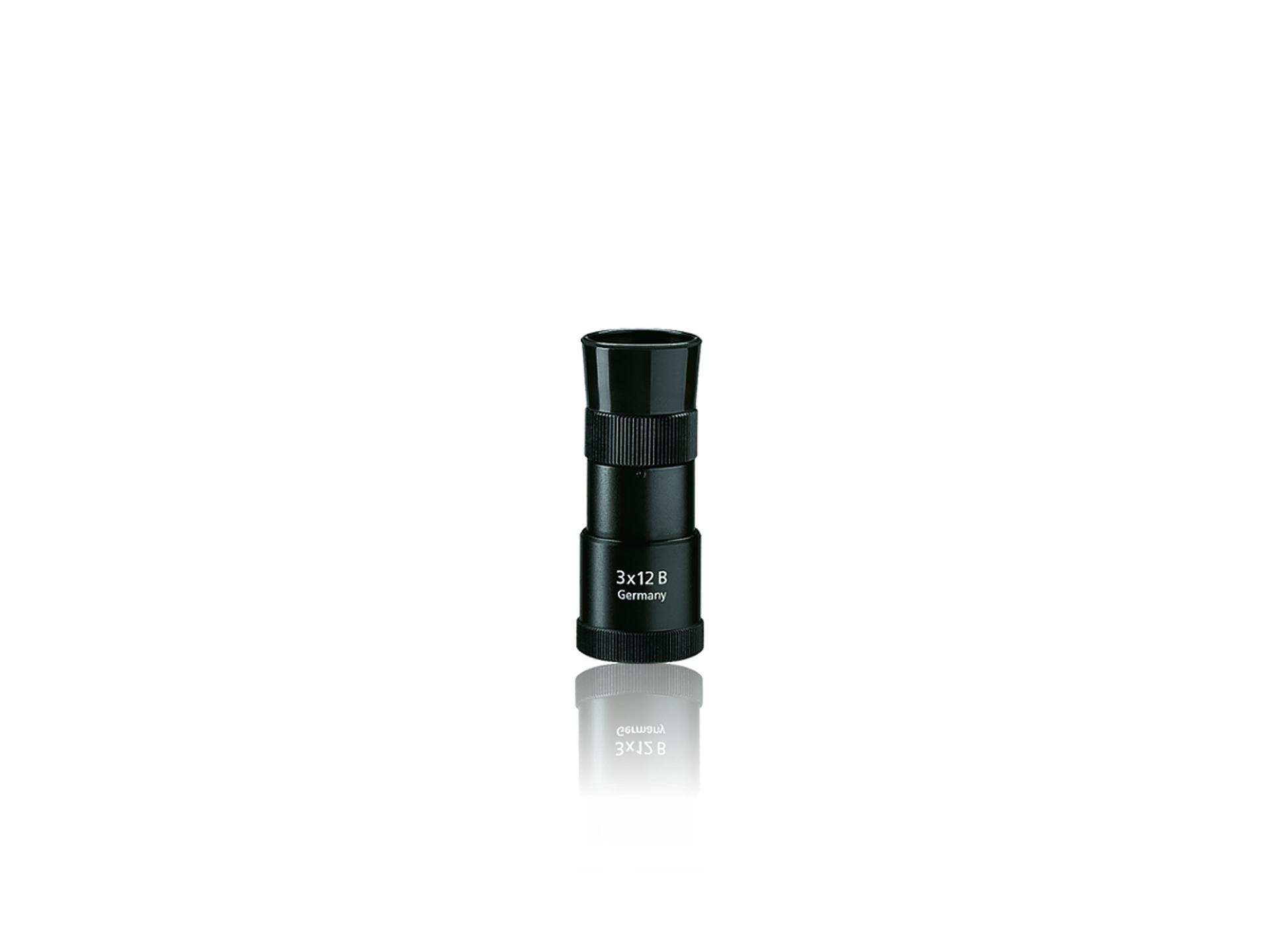
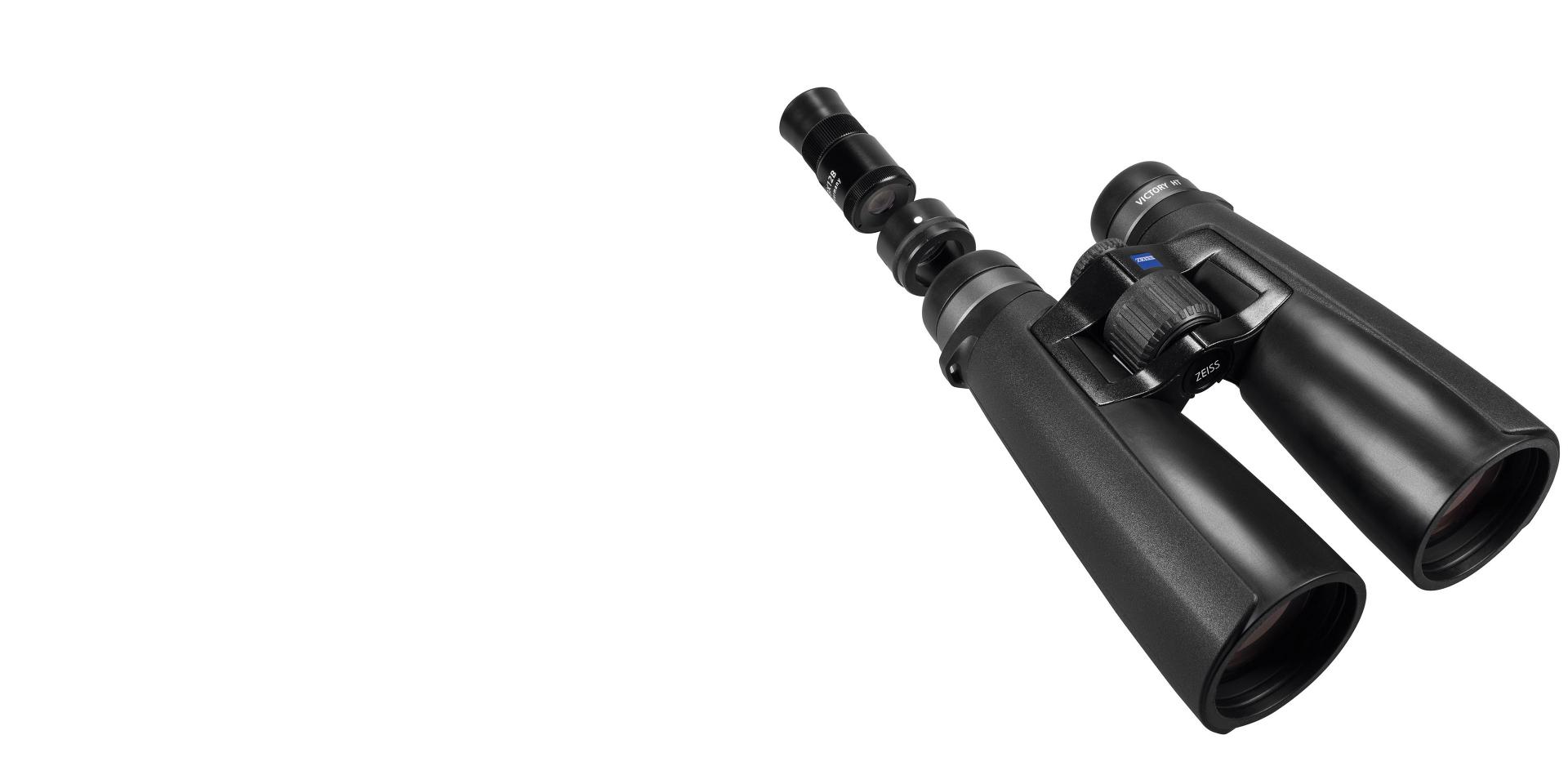
Das Mono 3x12 T* verwandelt Ihre Victory FL und Conquest Ferngläser im Handumdrehen in ein leistungsstarkes Spektiv, indem es die Vergrößerung verdreifacht. Das ist zum Beispiel für die Bergjagd eine praktische Alternative zu einem Spektiv. Mithilfe eines Adapterrings ist das Gerät sicher auf dem Okular befestigt und es eröffnet sich Ihnen ein detailreiches Seherlebnis.
Separat ist das Mono 3x12 T* als Minifernrohr oder als Vergrößerungsglas im Nahbereich einsetzbar. Der Mono-Verstärker ist so klein, dass Sie ihn überall problemlos mitnehmen können.

Kurzer Nahbereich
Die Modelle Mono 4x12 T* und 6x18 T* eignen sich aufgrund ihrer kurzen Naheinstellgrenze auch als Lupe oder Sehhilfe und sind daher besonders vielseitig einsetzbar. Beim Entziffern von Schrift oder Lesen einer Straßen- oder Revierkarte kann dies eine praktische Hilfe sein.
Technische Daten
ZEISS Monoculare-
-
Vergrößerung
4 x
Objektivdurchmesser
12 mm
Austrittspupillen-Durchmesser
3.0 mm
Dämmerungszahl
6.9
Sehfeld auf 1000 m (yds)
180 m (540 ft)
Winkel-Sichtfeld
41°
Naheinstellgrenze
0.3 m (0.9 ft)
Dioptrien-Verstellbereich
− 4.0 | + 4.0 dpt
Austrittspupillenabstand
15.0 mm
Wasserdichtigkeit
Spritzwassergeschützt
Funktionstemperatur
− 20 °C | + 40 °C (− 4 °F | + 104 °F)
Länge
70 mm (2.6")
Gewicht
45 g (1.6 oz)
-
Vergrößerung
6 x
Objektivdurchmesser
18 mm
Austrittspupillen-Durchmesser
3.0 mm
Dämmerungszahl
10.4
Sehfeld auf 1000 m (yds)
120 m (360 ft)
Winkel-Sichtfeld
41°
Naheinstellgrenze
0.3 m (1.0 ft)
Dioptrien-Verstellbereich
− 4.0 | + 4.0 dpt
Austrittspupillenabstand
15.0 mm
Wasserdichtigkeit
Spritzwassergeschützt
Funktionstemperatur
− 20 °C | + 40 °C (− 4 °F | + 104 °F)
Länge
94 mm (3.7")
Gewicht
58 g (2.0 oz)
-
Vergrößerung
8 x
Objektivdurchmesser
20 mm
Austrittspupillen-Durchmesser
2.5 mm
Dämmerungszahl
12.6
Sehfeld auf 1000 m (yds)
110 m (330 ft)
Winkel-Sichtfeld
51°
Naheinstellgrenze
3.0 m (9.8 ft)
Dioptrien-Verstellbereich
− 4.0 | + 4.0 dpt
Austrittspupillenabstand
15.0 mm
Wasserdichtigkeit
Spritzwassergeschützt
Funktionstemperatur
− 20 °C | + 40 °C (− 4 °F | + 104 °F)
Länge
101 mm (3.8")
Gewicht
67 g (2.4 oz)
-
Vergrößerung
10 x
Objektivdurchmesser
25 mm
Austrittspupillen-Durchmesser
2.5 mm
Dämmerungszahl
15.8
Sehfeld auf 1000 m (yds)
88 m (264 ft)
Winkel-Sichtfeld
51°
Naheinstellgrenze
4.5 m (14.8 ft)
Dioptrien-Verstellbereich
− 4.0 | + 4.0 dpt
Austrittspupillenabstand
15.0 mm
Wasserdichtigkeit
Spritzwassergeschützt
Funktionstemperatur
− 20 °C | + 40 °C (− 4 °F | + 104 °F)
Länge
119 mm (4.7")
Gewicht
77 g (2.7 oz)
-
Vergrößerung
5 x
Objektivdurchmesser
10 mm
Austrittspupillen-Durchmesser
2.0 mm
Dämmerungszahl
7.0
Sehfeld auf 1000 m (yds)
1000 m (300 ft)
Winkel-Sichtfeld
29°
Naheinstellgrenze
4.0 m (13.1 ft)
Dioptrien-Verstellbereich
− 4.0 | + 4.0 dpt
Austrittspupillenabstand
16.5 mm
Wasserdichtigkeit
Spritzwassergeschützt
Funktionstemperatur
− 20 °C | + 40 °C (− 4 °F | + 104 °F)
Länge
113 mm (4.5")
Gewicht
23 g (0.8 oz)